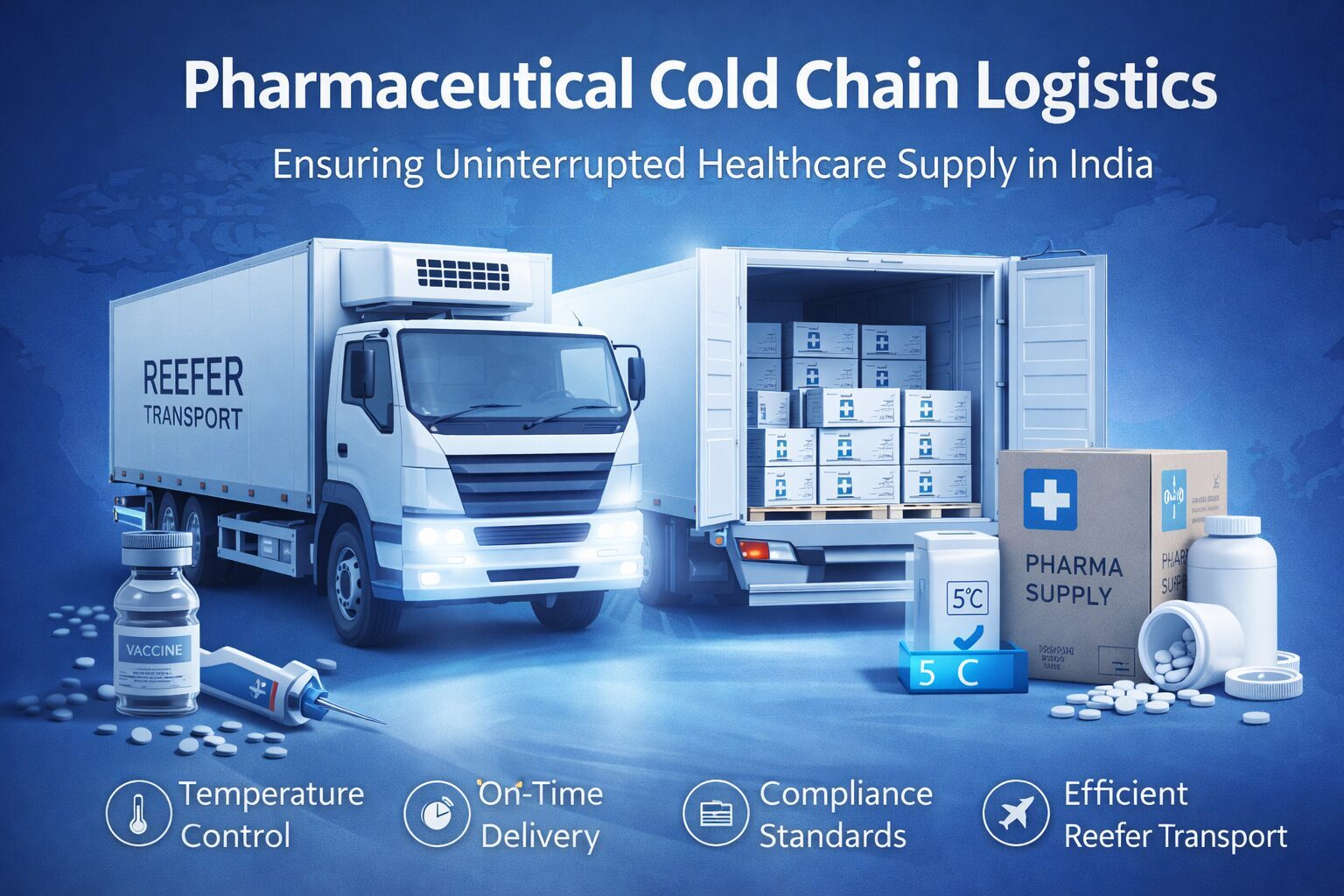


Transporting pharmaceutical products requires precise temperature control throughout the entire logistics process. Medicines, vaccines, biologics, and clinical trial materials are extremely sensitive to temperature fluctuations. Even minor deviations during transportation can compromise product stability and effectiveness. This is why modern pharmaceutical supply chains depend heavily on temperature controlled transport systems supported by advanced fleet monitoring technology.
Refrigerated trucks used in pharmaceutical logistics are designed to maintain controlled temperatures during transportation. However, simply having a refrigerated vehicle is not enough. Logistics providers must continuously monitor these vehicles to ensure that the required temperature conditions remain stable from dispatch to delivery.
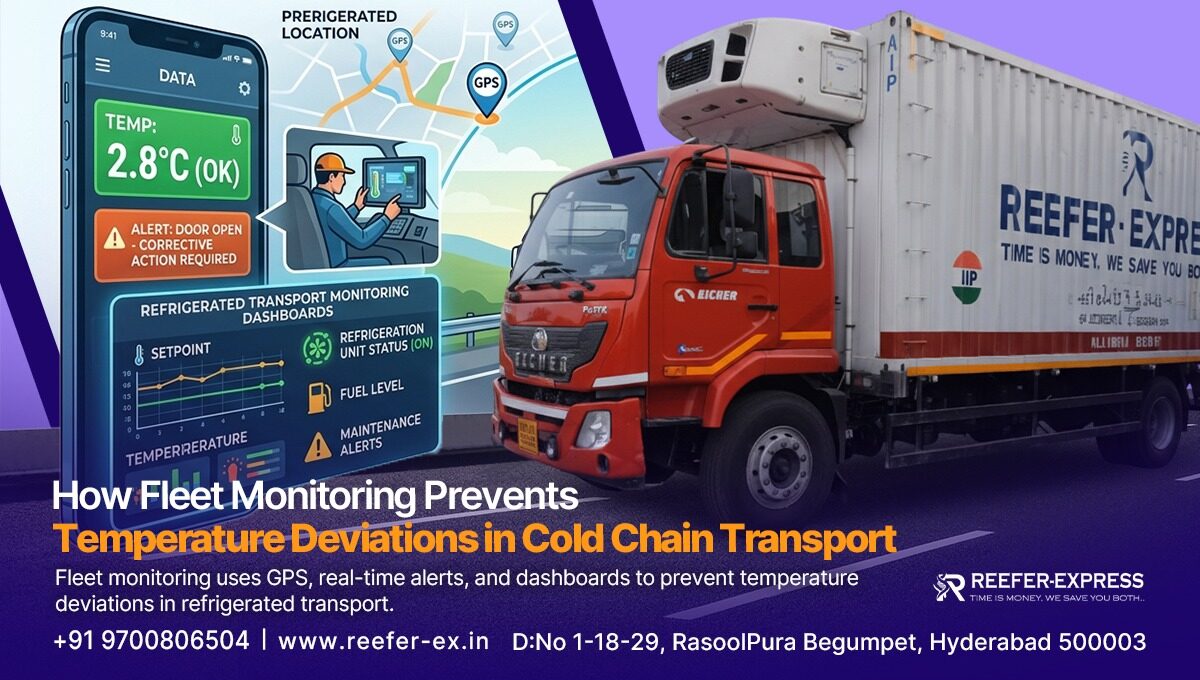
Fleet monitoring systems allow logistics teams to supervise refrigerated trucks in real time. By combining GPS tracking, temperature sensors, and centralized monitoring dashboards, logistics operators can detect potential risks and prevent temperature deviations before they impact pharmaceutical shipments.
Why Temperature Monitoring Is Critical in Temperature Controlled Transport
Temperature control is the foundation of pharmaceutical logistics. Many medicines must remain within a strict temperature range, typically between 2°C and 8°C, to preserve their chemical composition and therapeutic value. According to World Health Organization cold chain guidelines, maintaining stable temperatures is critical for pharmaceutical transport.
During transportation, external conditions such as weather, traffic delays, and long travel distances can affect the internal temperature of refrigerated trucks. Without continuous monitoring, these variations could lead to product damage or regulatory compliance issues.
Fleet monitoring systems help logistics providers maintain stable temperature controlled road transport by continuously tracking environmental conditions inside refrigerated vehicles.
GPS Tracking in Refrigerated Transport Logistics
GPS tracking plays an important role in modern refrigerated transport logistics. With GPS-enabled monitoring systems, logistics operators can track vehicle locations in real time and monitor transportation routes across the entire delivery journey.
This visibility helps logistics teams ensure that pharmaceutical shipments follow the correct routes and reach their destinations on time. If unexpected delays or route deviations occur, fleet managers can quickly respond and adjust transportation plans.
Real-time GPS tracking strengthens pharmaceutical transport logistics by providing complete visibility across the cold chain road network.
Real-Time Alerts Help Prevent Temperature Deviations
One of the most valuable features of fleet monitoring systems is the ability to generate real-time alerts. Refrigerated vehicles are equipped with temperature sensors that continuously measure conditions inside the cargo area.
If the temperature moves outside the required range, the system immediately sends alerts to fleet managers. These alerts allow logistics teams to respond quickly and prevent potential damage to pharmaceutical shipments.
Real-time alerts are essential for maintaining reliable reefer truck transport and ensuring that temperature-sensitive medicines remain protected throughout the journey.
Monitoring Dashboards Improve Fleet Supervision
Modern fleet monitoring systems include centralized dashboards that allow logistics operators to supervise multiple vehicles simultaneously. These dashboards display important operational information such as vehicle location, cargo temperature, refrigeration performance, and delivery schedules.
By analyzing data from monitoring dashboards, logistics teams can identify potential issues before they escalate into major problems. This level of operational visibility improves efficiency and helps maintain strong cold chain road logistics for pharmaceutical distribution.
Monitoring dashboards also support better decision-making by providing real-time insights into transportation performance and fleet conditions.
Reducing Risks in Long-Distance Refrigerated Transport
Pharmaceutical shipments often travel long distances between manufacturing facilities, distribution centers, hospitals, and laboratories. These extended transportation routes introduce additional risks, including environmental changes and operational delays.
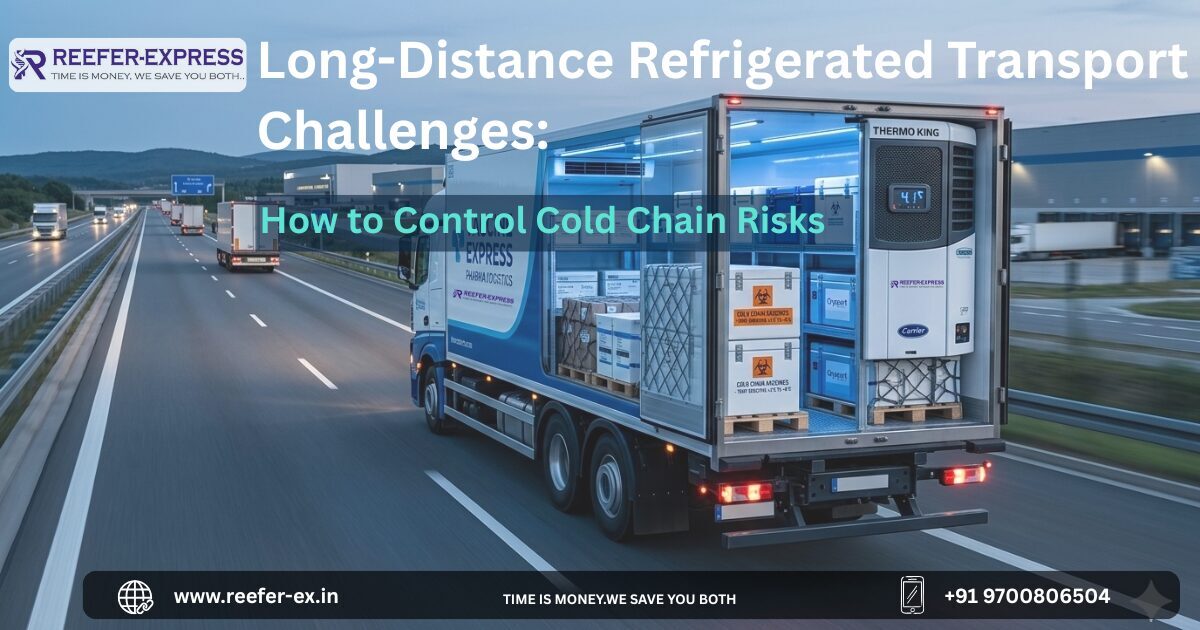
Companies dealing with long-distance refrigerated transport challenges rely on advanced monitoring systems to maintain stable conditions during road transport.
By continuously tracking temperature data and vehicle performance, logistics providers can reduce risks associated with long-distance pharmaceutical transportation.
Maintaining Compliance in Pharmaceutical Cold Chain Logistics
Pharmaceutical logistics must comply with strict regulatory standards to ensure product safety and quality. Temperature monitoring is an essential requirement for maintaining compliance in pharmaceutical cold chain transport.
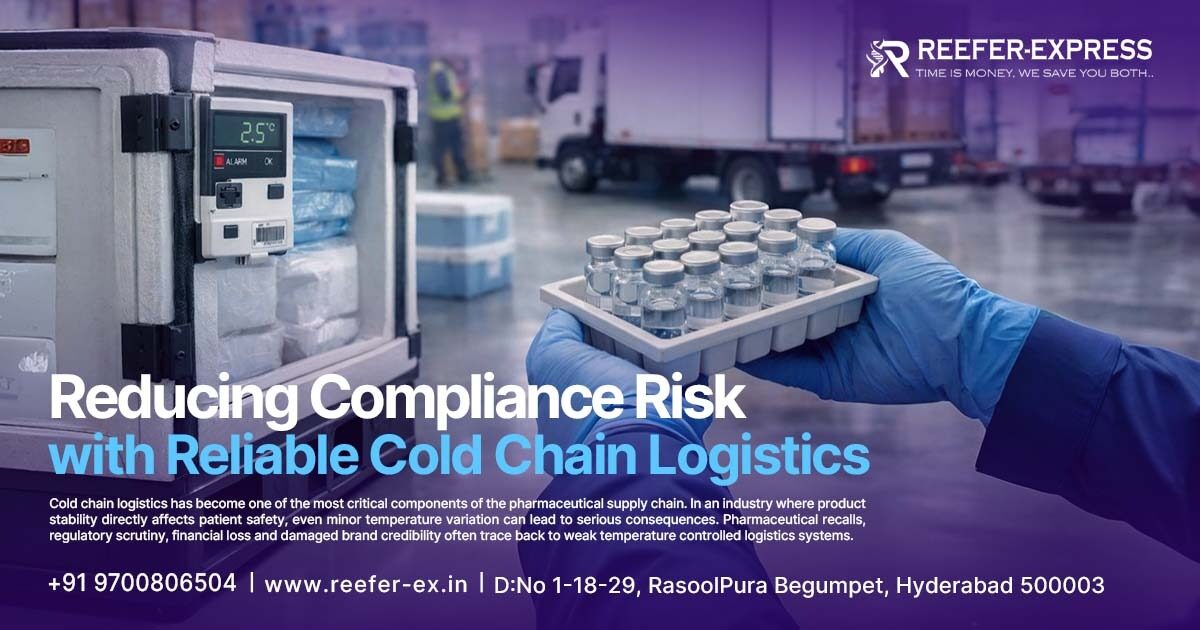
Organizations working to reduce pharmaceutical cold chain compliance risks implement monitoring systems that record temperature data throughout the transportation process.
These monitoring systems create traceable records that help companies demonstrate compliance with healthcare logistics regulations.
Strengthening Reliable Healthcare Supply Chains
Healthcare systems depend on reliable pharmaceutical distribution networks to ensure that medicines reach patients safely. Hospitals, pharmacies, and laboratories rely on consistent deliveries of temperature-sensitive medicines.
Fleet monitoring systems help support continuous healthcare supply chain logistics by ensuring that refrigerated vehicles operate safely and maintain stable temperature conditions throughout the transportation process.
By improving operational visibility and temperature control, monitoring systems strengthen pharmaceutical logistics infrastructure and support reliable healthcare distribution.
Conclusion
Fleet monitoring has become an essential component of modern temperature controlled transport systems. Through GPS tracking, real-time alerts, and centralized monitoring dashboards, logistics providers can supervise refrigerated fleets and prevent temperature deviations during transportation.
As pharmaceutical supply chains continue to expand, advanced monitoring technologies will play an increasingly important role in maintaining safe and efficient refrigerated transport logistics. By investing in fleet monitoring systems, logistics companies can protect temperature-sensitive medicines and ensure reliable cold chain distribution across healthcare networks.
Frequently Asked Questions
What is fleet monitoring in temperature controlled transport?
Fleet monitoring is a technology system that tracks refrigerated vehicles, temperature conditions, and delivery routes in real time to ensure safe transportation of temperature-sensitive products.
Why is temperature monitoring important in pharmaceutical transport?
Temperature monitoring ensures medicines remain within the required temperature range during transportation, preventing product degradation and maintaining effectiveness.
How does GPS tracking support refrigerated transport?
GPS tracking helps logistics operators monitor vehicle locations, track delivery routes, and respond quickly to delays or disruptions during transport.
What happens when temperature deviations occur during transport?
Fleet monitoring systems send real-time alerts to logistics operators so corrective action can be taken immediately.
How do monitoring dashboards improve logistics operations?
Monitoring dashboards provide centralized visibility of refrigerated fleets, allowing operators to supervise vehicle performance and maintain stable temperature conditions.