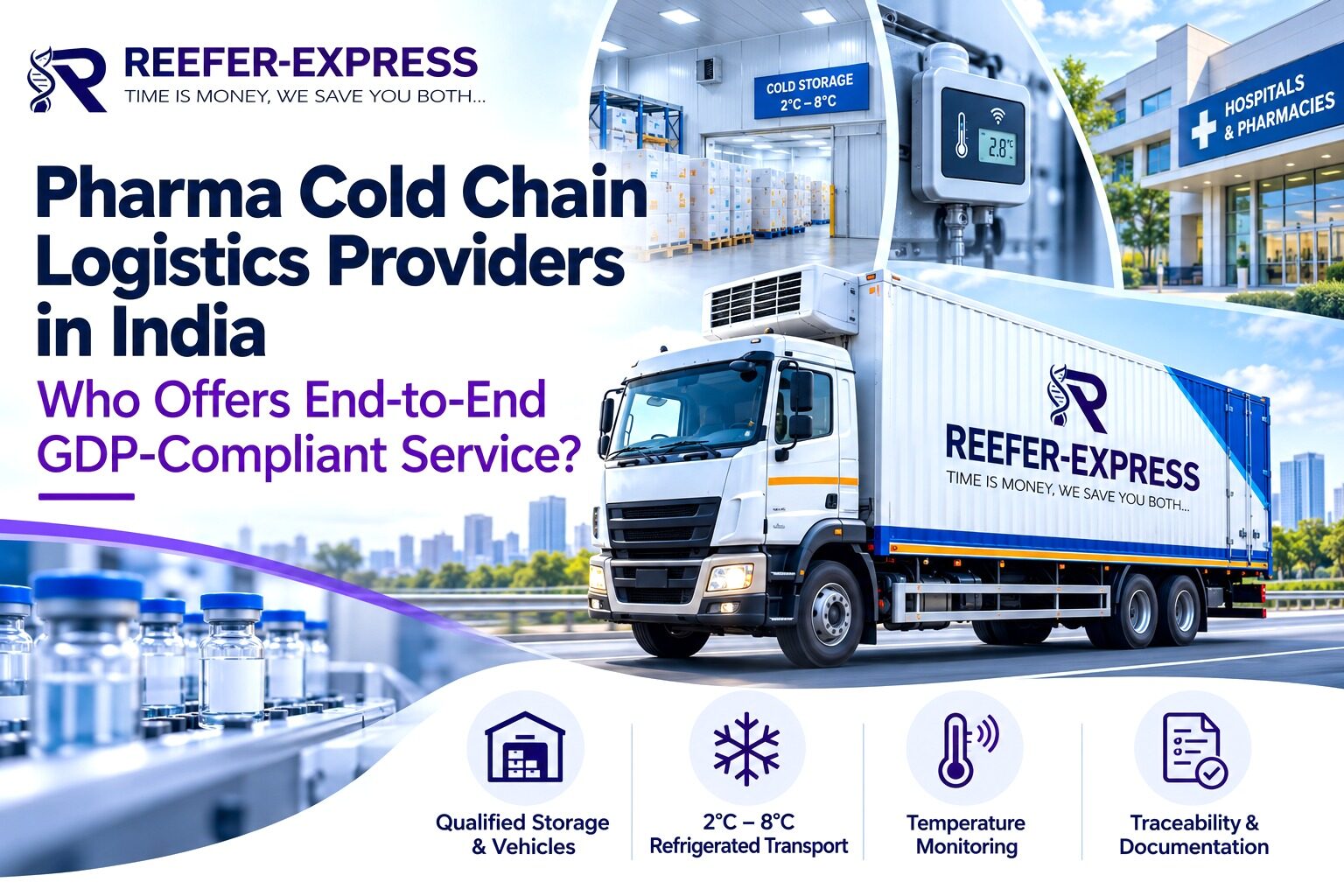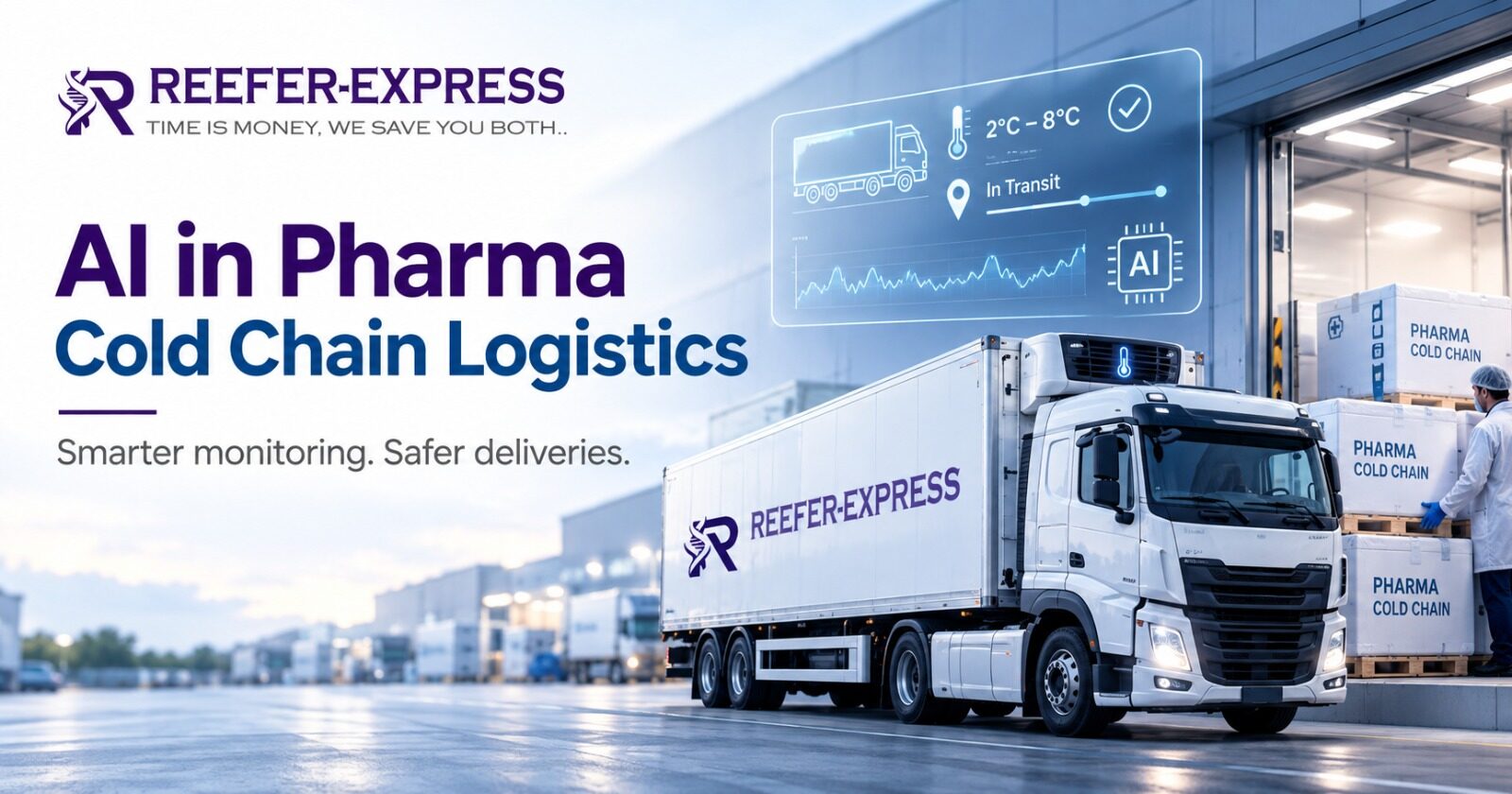


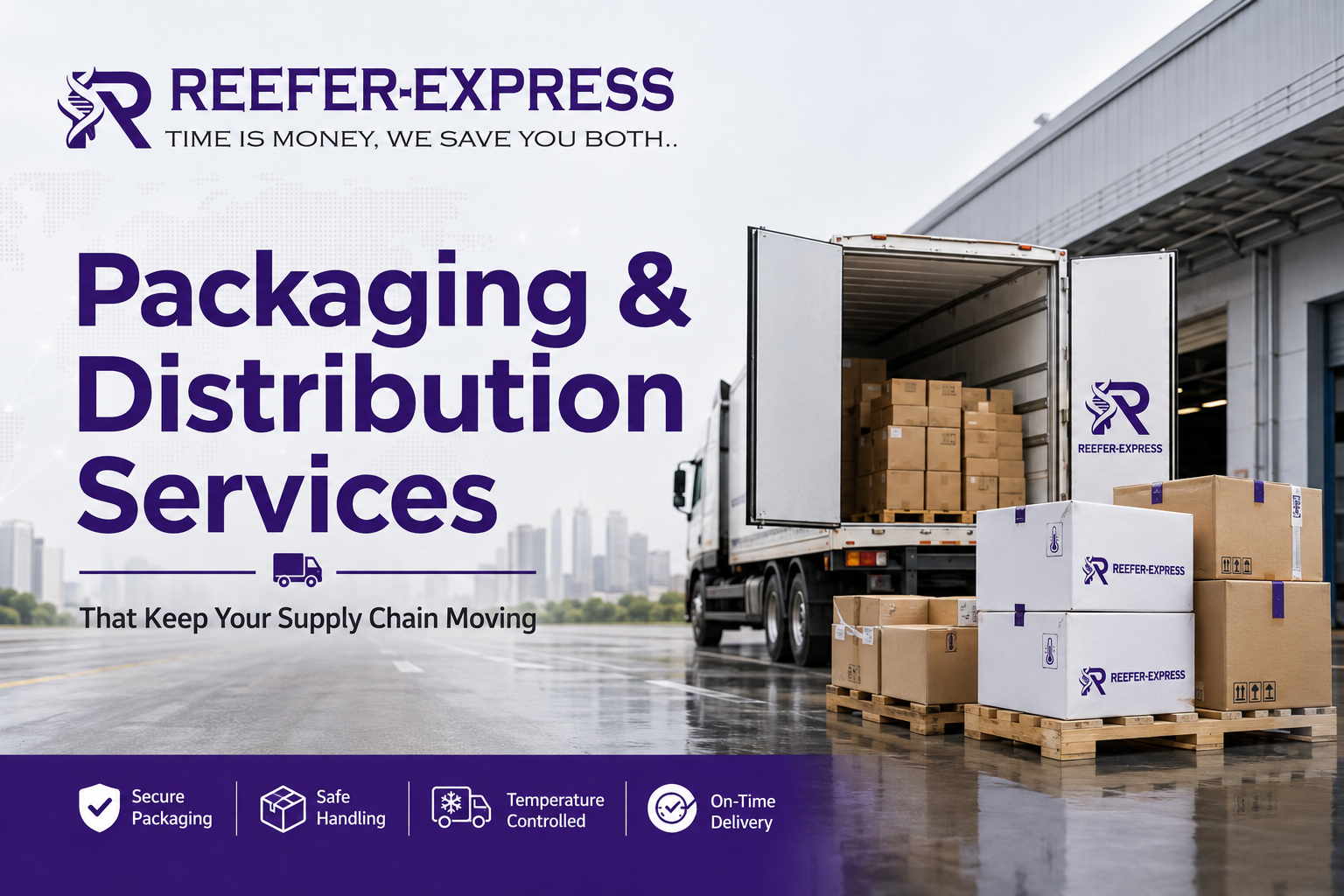
Every business that ships a physical product eventually runs into the same wall: packaging and distribution can either protect your margins or quietly destroy them. Packaging & Distribution is not a back-office task you hand off and forget. It is the difference between a product that arrives intact and on schedule, and one that shows up damaged, late, or spoiled. If you have been searching for a partner that actually understands what is at stake, from cold chain compliance to last-mile delivery windows, this guide walks through what good packaging and distribution looks like, why so many companies get it wrong, and why Reefer Express has become the go-to choice for businesses that cannot afford another failed shipment.
What Packaging & Distribution Really Means for Your Business
Most people hear “packaging” and picture boxes and tape. That is only a small slice of what the job actually involves. Packaging covers the materials, structure, and protective systems that keep a product safe from the moment it leaves a facility to the moment it reaches a customer’s hands. Distribution covers everything that happens after that: routing, warehousing, transportation, tracking, and delivery.
When these two functions are handled separately, or worse, handled by two different vendors who do not talk to each other, gaps appear. A box designed for a dry warehouse might fail completely in a refrigerated trailer. A distribution plan built around speed might ignore the fact that a product needs to stay below a certain temperature for the entire trip. This is why Packaging & Distribution needs to be treated as one connected system rather than two separate line items on an invoice.
For businesses in food, pharmaceuticals, agriculture, and perishable goods, this connection matters even more. A single break in the chain, whether it is a packaging failure or a delayed truck, can mean spoiled inventory, regulatory violations, or a customer who never orders again.
The State of the Packaging Industry Today
The packaging industry has changed more in the last five years than in the previous twenty. Rising fuel costs, tighter labor markets, and stricter food safety regulations have pushed companies to rethink how they package and move goods. According to the U.S. Food and Drug Administration, the Food Safety Modernization Act has shifted the regulatory focus toward prevention rather than reaction, which means packaging and transportation providers are now expected to document temperature control and handling practices at every step, not just when something goes wrong.
At the same time, sustainability pressure has forced the packaging industry to move away from excess material and toward smarter, lighter, and more recyclable solutions. Businesses are no longer choosing packaging based on cost alone. They are weighing protection, compliance, environmental impact, and how well a package performs inside a distribution network that might include multiple temperature zones, transfer points, and delivery vehicles.
This shift has created a clear split in the market. On one side are generic packaging suppliers who sell materials without any real involvement in how those materials perform during transport. On the other side are integrated packaging and distribution providers who design solutions around the actual journey a product will take. Reefer Express falls firmly into the second category, and that distinction is exactly why businesses in perishable and temperature-sensitive industries keep coming back.
There is also a labor dimension to this shift that does not get discussed enough. Warehouses and distribution centers across the country have struggled to fill roles for packing, sorting, and loading, which has pushed many companies to lean on outside partners who already have trained staff and established processes in place. Building an internal packaging and distribution operation from scratch now takes longer and costs more than it did even a few years ago, which is one reason so many businesses have decided to outsource this function entirely rather than try to build it in house.
Fuel and freight costs have added another layer of pressure. When transportation costs rise, the temptation is to cut corners on packaging in order to protect margins. That decision almost always backfires for temperature-sensitive shipments, because a single spoiled load can cost far more than what was saved on packaging materials. The businesses that are thriving in the current packaging industry are the ones treating packaging as a cost-control tool rather than a cost to be minimized, using smarter materials and better planning to reduce loss rather than simply spending less up front.
Why Packaging Services Alone Aren’t Enough Without Strong Distribution
It is common for a company to invest heavily in packaging services, custom boxes, insulated liners, gel packs, only to lose all of that value because the distribution side was an afterthought. Good packaging protects a product from physical damage and temperature swings for a limited window of time. If a truck sits at a loading dock for six extra hours, or a route gets rerouted through a warmer region, even the best packaging can be pushed past its limit.
This is where a lot of businesses get burned. They assume that because they paid for premium packaging, the product is protected no matter what happens next. In reality, packaging and distribution have to be planned together from day one. The packaging needs to match the expected transit time, the vehicle type, the number of transfer points, and the climate conditions along the route. Distribution planning needs to account for how long the packaging can realistically hold its protective qualities before performance starts to degrade.
Reefer Express builds its packaging & distribution services around this exact principle. Instead of treating packaging and transportation as separate departments, the entire process is planned as one continuous chain, so a shipment that leaves the facility properly packed also arrives properly protected, regardless of how many stops it makes along the way.
Reefer Express: Cold Chain Packaging & Distribution Done Right
Reefer Express was built around one core idea: temperature-sensitive and perishable products deserve a packaging and distribution partner who treats every shipment like it matters, because for the business shipping it, it does. Below is a closer look at what sets this approach apart.
Temperature-Controlled Packaging Engineered for the Route
Rather than applying the same packaging approach to every shipment, Reefer Express designs packaging around the specific route, transit time, and product sensitivity involved. A three-hour regional delivery does not need the same insulation strategy as a four-day cross-country haul. This route-specific approach reduces waste, cuts unnecessary material costs, and keeps products within safe temperature ranges for the entire journey. You can see how this process works in more detail on our packaging solutions page.
Real-Time Distribution Tracking
Packaging is only half the equation. Reefer Express pairs every shipment with real-time tracking so businesses know exactly where their product is and what condition it is in throughout transit. Temperature logging, location updates, and delivery confirmations are built into the distribution process rather than offered as a separate add-on. This level of visibility is explored further on our reefer transportation services page.
Compliance and Documentation Support
Food and pharmaceutical shippers face growing documentation requirements, and falling short can mean fines, rejected shipments, or worse. Reefer Express builds compliance directly into its packaging and distribution workflow, keeping temperature logs, chain of custody records, and handling documentation ready for audits or inspections. Standards from organizations like the Global Cold Chain Alliance and guidance from the U.S. Department of Agriculture inform how these processes are structured, so businesses are never left guessing whether they are meeting industry expectations.
How to Choose the Right Packaging & Distribution Partner
Not every provider that claims to offer packaging & distribution services actually delivers on both sides of that promise. Before signing a contract, it is worth asking a few direct questions.
First, ask whether the provider designs packaging based on the actual distribution route or whether they use a one-size-fits-all approach. A partner who cannot explain how their packaging choices connect to transit time, vehicle type, and climate conditions is likely treating packaging as a commodity rather than a strategic function.
Second, ask how visibility works once the shipment leaves the facility. If a provider cannot offer real-time temperature and location tracking, you are relying on hope rather than data. This becomes especially important for industries governed by strict handling requirements, where the Federal Motor Carrier Safety Administration and other regulatory bodies expect documented proof of proper handling.
Third, look at how the provider handles exceptions. Trucks break down, weather delays happen, and traffic disrupts schedules. A strong packaging and distribution partner has contingency plans built in, not just a promise that things usually go fine. Reefer Express addresses this directly through its distribution network page, which outlines backup routing and rapid response procedures for exactly these situations.
Finally, consider whether the provider has real experience in your specific industry. Packaging a pallet of frozen seafood is nothing like packaging pharmaceutical samples or fresh produce. Industry-specific experience, not general logistics knowledge, is what actually prevents costly mistakes.
Common Mistakes Businesses Make With Packaging & Distribution
Even experienced shippers fall into predictable traps. One of the most frequent mistakes is underestimating transit time when selecting packaging materials. A package designed to hold temperature for twelve hours will not perform the same way on a shipment that unexpectedly takes eighteen hours due to weather or routing changes.
Another common mistake is choosing a distribution partner based purely on price per mile without factoring in reliability, tracking capability, or claims history. A slightly cheaper rate means very little if a shipment arrives damaged or out of temperature range and the resulting product loss wipes out any savings.
Businesses also frequently underestimate the paperwork side of compliance. The Institute of Packaging Professionals has noted that regulatory documentation requirements have become significantly more detailed in recent years, and providers who cannot produce clear, organized records put their customers at risk during audits or inspections.
Lastly, many businesses treat packaging and distribution as a one-time setup rather than something that needs regular review. Routes change, seasons change, and product formulations change. A packaging strategy that worked perfectly two years ago may no longer match current shipping realities.
Seasonal blind spots cause a surprising amount of damage as well. A packaging plan built during mild spring weather often fails once summer heat or winter cold enters the equation, and businesses that do not revisit their packaging specifications twice a year are effectively shipping blind for half of it. Reviewing packaging performance against actual seasonal temperature data, rather than assumptions, is one of the simplest ways to prevent avoidable losses.
The Cost of Getting Packaging & Distribution Wrong
The financial impact of packaging and distribution failures goes far beyond the cost of a single ruined shipment. Spoiled or damaged product means lost inventory value, refund or replacement costs, and in many cases, damaged relationships with retail or wholesale customers who expect consistent quality.
For regulated industries, a failure can also mean regulatory penalties or forced recalls. The reputational damage from a public quality issue often outweighs the direct financial loss. Customers who receive one damaged or spoiled shipment are far less likely to place a second order, and word travels quickly in tightly connected industries like food distribution and specialty agriculture.
There is also a hidden cost in inefficiency. Businesses that overpack out of caution, using excess insulation or oversized containers to compensate for an unreliable distribution partner, end up paying more per shipment than necessary. A well-designed packaging & distribution system eliminates this guesswork and replaces it with a plan built around actual data and route history.
Why Businesses Are Switching to Reefer Express
The businesses that switch to Reefer Express usually share a common story. They tried managing packaging and distribution as separate functions, or they worked with a provider who treated temperature-sensitive shipments the same way they treated dry freight, and it eventually caught up with them.
What changes after the switch is the level of coordination. Packaging decisions are made with full knowledge of the route, the vehicle, and the expected transit conditions. Distribution decisions are made with full knowledge of how long the packaging can protect the product. Nothing is guessed, and nothing is left to chance.
This coordinated approach also scales well. Whether a business is shipping a handful of pallets a week or running a high-volume distribution schedule, the same principles apply: match the packaging to the route, track the shipment in real time, and keep documentation ready before it is ever requested. Businesses interested in seeing how this applies to their specific industry can review examples on our food and beverage industry solutions page.
Get Started With Reliable Packaging & Distribution Today
If your business has already dealt with a damaged shipment, a spoiled load, or a compliance scare, you already know how expensive it is to treat packaging and distribution as an afterthought. Reefer Express was built specifically for companies that cannot afford that kind of risk. From route-specific packaging design to real-time tracking and full compliance documentation, every part of the process is handled by people who understand exactly what temperature-sensitive shipping requires.
Reach out through our contact page to talk through your shipping requirements, current pain points, and delivery timelines. A member of the Reefer Express team will walk through your specific product, route, and volume needs and put together a packaging and distribution plan built around your business, not a generic template.
Frequently Asked Questions
What is the difference between packaging and distribution?
Packaging refers to the materials and design used to protect a product during transit. Distribution refers to the logistics involved in moving that product from origin to destination, including routing, transportation, and delivery. Both need to work together for a shipment to arrive safely and on time.
Why does temperature-controlled packaging matter for the packaging industry?
Temperature-sensitive products, including food, pharmaceuticals, and certain agricultural goods, can degrade or become unsafe if they move outside a required temperature range. Proper temperature-controlled packaging, combined with reliable distribution, keeps products within safe limits throughout the entire shipping process.
How does Reefer Express handle unexpected delays during distribution?
Reefer Express builds contingency planning directly into its distribution process, including backup routing and rapid response procedures, so that unexpected delays do not automatically result in product loss or compliance issues.
What industries benefit most from combined packaging & distribution services?
Food and beverage, pharmaceuticals, agriculture, and any business shipping perishable or temperature-sensitive goods benefit the most from a combined approach, since these industries face the highest risk when packaging and distribution are not properly coordinated.
How do I know if my current packaging & distribution provider is putting my shipments at risk?
Warning signs include a lack of real-time tracking, generic packaging that is not matched to your specific routes, missing or incomplete compliance documentation, and a history of temperature excursions or damaged shipments. If any of these apply to your current provider, it is worth requesting a full review of your packaging and distribution plan.