

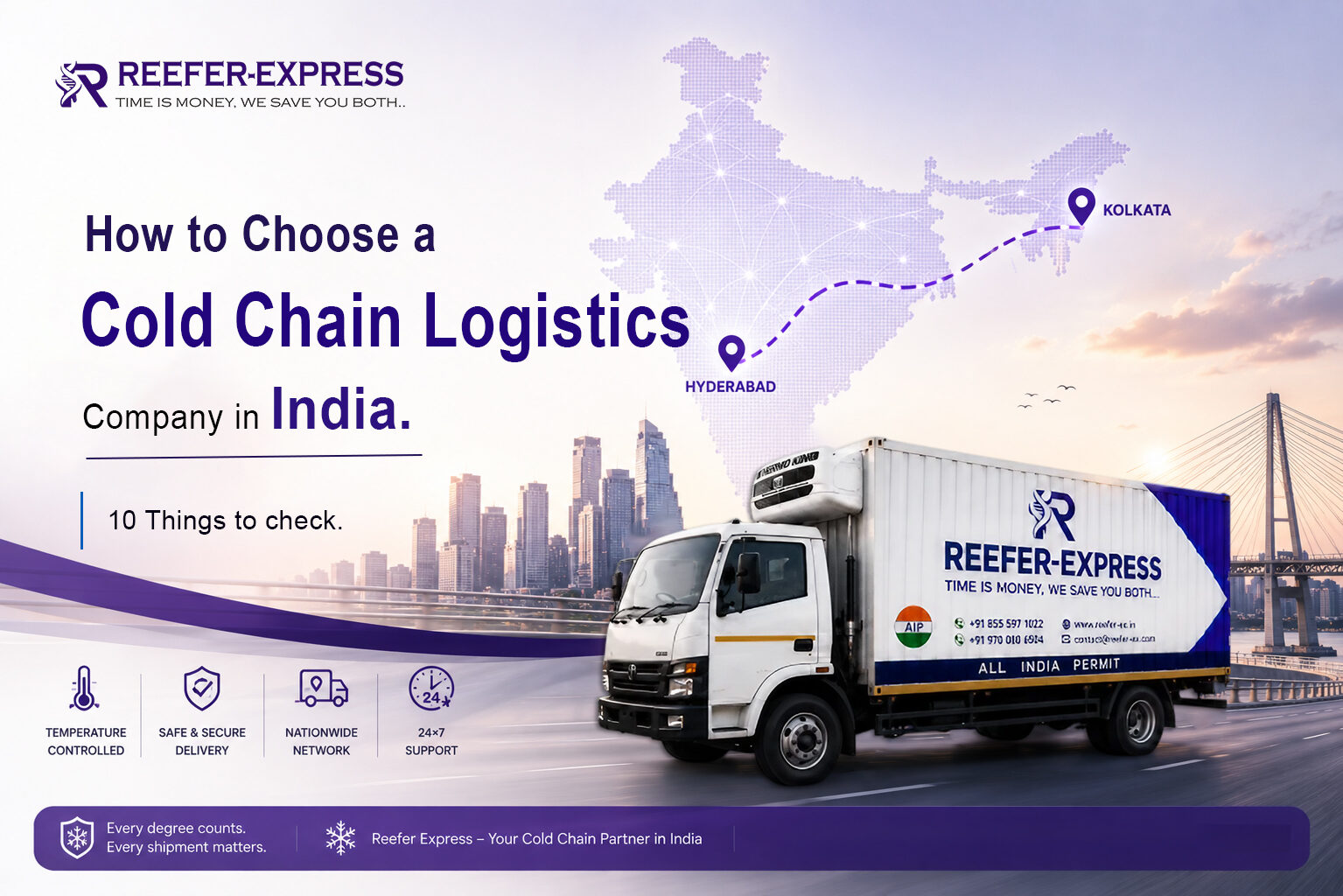
Picking a cold chain logistics company in India is not a decision you make on a quote sheet alone. It is a decision that determines whether your temperature-sensitive product arrives the way it left your facility, or arrives as a loss you have to explain to a regulator, a client, or your own leadership team. Most companies selling cold chain services in India will tell you they can handle pharma, biologics, or vaccines. Fewer of them can actually prove it. This guide breaks down the ten things worth checking before you sign a contract, so you are evaluating capability instead of a sales pitch.
Why This Decision Deserves More Scrutiny Than It Usually Gets
India’s pharmaceutical sector has grown into one of the largest in the world, supplying roughly a fifth of global generic medicine volume and ranking among the top producers globally, according to the India Brand Equity Foundation. That scale has pulled a lot of logistics providers into the cold chain space, and not all of them built their operations around what pharma products actually require.
A missed delivery window in general freight costs you a delay. A missed temperature window in cold chain logistics can cost you the product entirely, and often without any visible sign that something went wrong. A vial that sat outside its validated range for three hours during transit looks identical to one that did not. The only way to know the difference is through documentation captured in real time, not assumptions made after delivery.
This is why the checklist below matters more than a generic vendor comparison. Each item is something you can ask about directly, and the quality of the answer tells you more than any brochure will. Treat this less as a checklist to tick off quickly and more as a set of conversations that reveal how a provider actually operates when nobody is watching.
It also helps to separate providers by how they describe their own capabilities. A company that leads with fleet size or years in business is telling you about scale. A company that leads with validation methodology, documentation practices, and excursion handling is telling you about competence. Both matter, but only one of them tells you whether your specific shipment is going to arrive intact.
1. Route-Specific Temperature Validation
Ask any cold chain logistics company in India for validation data, and most will hand you a certificate generated in a controlled lab environment. That tells you almost nothing about how your shipment will actually perform on the specific route it needs to travel. A Mumbai-to-Bangalore run in May behaves nothing like a Delhi-to-Chandigarh run in January. Serious providers can show you validation data tied to the specific lane, season, and duration your product will face, not a generic pass certificate that could apply to anyone.
If a provider cannot produce route-specific data, or seems confused by the question, that is worth taking seriously before you go further in the conversation.
2. Packaging and Vehicle Technology Matched to Your Product
Vaccines held between 2 and 8°C, diagnostics kept at controlled room temperature, and frozen biologics all need different handling entirely. A provider offering the same packaging and vehicle setup across every product category is optimizing for their own convenience, not your product’s stability. Ask what packaging technology they use for your specific temperature range and hold-time requirement, and ask them to explain why that choice fits your product rather than just listing what they have available.
3. Real-Time Monitoring That Covers Temperature and Location Together
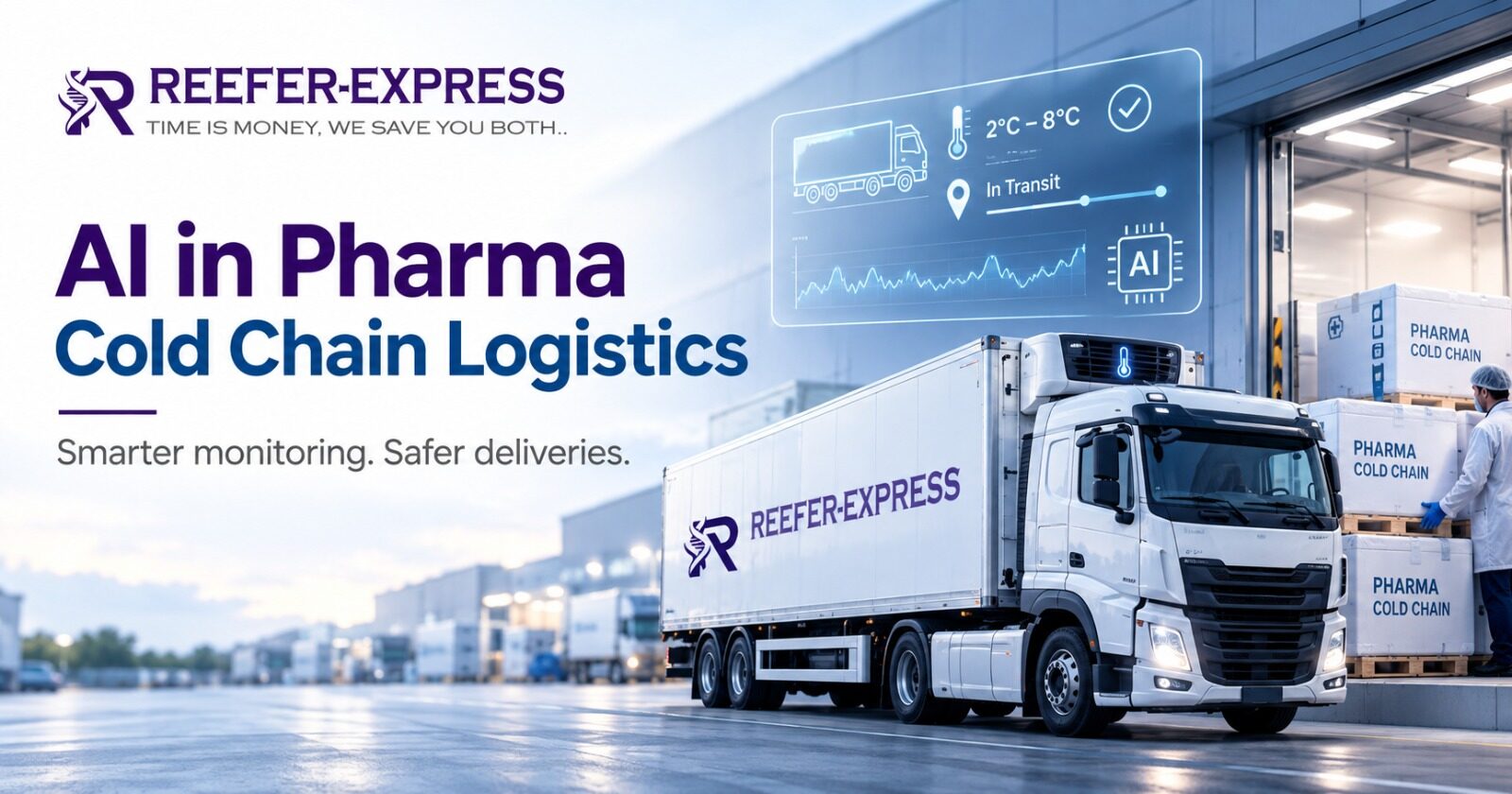
GPS tracking alone tells you where a shipment is sitting. It does not tell you whether the cold chain inside that vehicle has been broken. The providers worth working with give you temperature and location data together, accessible in real time, not compiled into a spreadsheet you receive after the shipment has already arrived. When your team needs to make a release decision, that decision depends on continuous data, not a summary produced after the fact.
4. A Written, Tested Temperature Excursion Protocol
Every cold chain system experiences a deviation at some point. What separates a serious provider is having a documented response ready before it happens. Ask what their protocol looks like when a shipment moves outside its validated range mid-transit. Who gets notified, and how quickly? What is the decision tree for quarantine, disposal, or continued transport? A provider without a clear answer here has not actually planned for the moment their system fails, and that gap becomes your problem the day it happens.
5. Storage Facility Compliance, Not Just Transit Compliance
Transit gets most of the attention during vendor evaluation, but a weak link in storage undoes everything else. Ask how their cold storage facilities are validated, how frequently their monitoring equipment gets calibrated, and what their documented response looks like during a power outage. The CDSCO’s Good Distribution Practices guidelines set clear expectations for storage conditions that go beyond simply having a refrigerated space available. A provider treating those guidelines as a floor to build on, rather than a checklist to pass once a year during an audit, is the one you want holding your inventory between legs of the journey.
6. A Real Last-Mile Handling Process
Most cold chain failures in India do not happen at the warehouse or during the main transport leg. They happen at the handoff, in the stretch between the reefer vehicle and the final recipient. The vehicle was compliant. The packaging passed validation. Then the shipment sits on a delivery agent’s bike in direct sun for half an hour while another drop gets completed first.
This is a structural weak point across most of India’s logistics sector, and pharma cold chain is not exempt from it. Ask specifically what the maximum allowable time is between vehicle and delivery, and whether that window is actually monitored or simply assumed. Standards like IATA’s CEIV Pharma certification exist precisely because the industry recognizes how much risk concentrates at these handoff points. A provider who has a clear, monitored answer for last-mile handling has thought through the entire chain rather than just the parts that are easy to control.
7. Alignment With Current Regulatory Requirements
Compliance expectations for pharma logistics in India have tightened, not stayed flat. The revised Schedule M under the Drugs and Cosmetics Rules is pushing Indian manufacturing and distribution standards closer to WHO Good Manufacturing Practices, with enforcement timelines that have already caught up to smaller players who had earlier extensions, according to recent analysis of India’s pharmaceutical cold storage sector. A provider whose processes were adequate under looser enforcement a few years ago may not meet today’s bar.
Ask directly how their operations have adapted to the current regulatory environment, not the one that existed when they started the business. Providers who can point to specific process changes tied to recent compliance updates are the ones positioned to keep your shipments audit-ready as scrutiny increases further, rather than scrambling to catch up after an inspection flags a gap.
8. Documentation Built Into Every Shipment, Not Provided on Request
Temperature logs, chain-of-custody records, and excursion reports should arrive with every shipment automatically. If a provider only produces this documentation when you specifically ask for it, that tells you documentation is treated as an afterthought rather than a core part of the service. During an audit or a batch release decision, you do not have time to chase down records that should have been there from the start. Ask to see a sample shipment report before you sign anything, so you know exactly what you will be receiving on day one.
9. A Track Record With Your Specific Product Category
Handling vaccines is not the same as handling diagnostics reagents, and clinical trial materials bring their own chain-of-custody requirements that differ from standard commercial shipments. Ask whether the provider has actual experience with your product category specifically, not cold chain logistics in general terms. Request case data or references tied to shipments similar to yours. A provider who has moved your type of product before will anticipate problems that a generalist provider will only discover the first time it happens to your shipment.
10. Transparent Cost Structure Tied to What Is Actually Included
Price comparisons across cold chain providers in India can be misleading if you are not comparing the same scope of service. A lower quote often means passive packaging instead of validated active systems, spot-check monitoring instead of continuous data, or no dedicated last-mile protocol at all. Ask every provider to itemize exactly what their price covers, including validation, monitoring frequency, documentation, and last-mile handling, before you compare numbers side by side.
The real cost of a cold chain failure is rarely limited to the value of the product itself. It includes the investigation that follows, the potential regulatory scrutiny, damage to a client relationship if the shipment belonged to your customer, and the time your own team spends managing the fallout instead of doing their actual work. Weighed against that risk, the cheapest quote on paper is often the most expensive choice in practice.
Why Reefer Express Checks All Ten Boxes
Reefer Express was built around pharma cold chain requirements specifically, not adapted from a general freight model with refrigeration added on. That distinction runs through every part of how the company operates.
Packaging and vehicle solutions are validated against India’s actual climate zones, so the data reflects real road conditions rather than a lab test chamber. The reefer fleet maintains temperature continuity through the full route, not just at pickup and drop-off, and every shipment comes with temperature logs and chain-of-custody documentation built in from the start, available without having to request it after delivery.
On the last-mile problem specifically, Reefer Express runs dedicated handling protocols designed to hold cold chain integrity through the final leg, the exact point where most competitors’ coverage stops. Documentation practices are aligned with GDP compliance requirements, so audit readiness is built into daily operations rather than assembled the night before a regulator asks for it.
This standard applies across pharmaceutical cold chain logistics and temperature-controlled logistics more broadly, covering vaccines, biologics, diagnostics, and clinical trial materials under one operational approach instead of a patchwork of exceptions depending on the shipment.
Questions to Ask Before You Sign
Before committing to any provider, work through these ten checks directly in conversation rather than relying on a proposal document. Can they produce validation data specific to your route and temperature range? What packaging and vehicle setup do they use for your product category, and why? Is temperature and location monitoring available in real time? What is their written excursion protocol, step by step? How are their storage facilities validated, and how often is monitoring equipment calibrated? What exactly happens during the last-mile handoff, and is it monitored? How have their processes changed to reflect current regulatory requirements? Does documentation come standard with every shipment? Have they handled your specific product category before? And finally, what does their quoted price actually include?
A provider who answers all ten clearly, with documentation to back it up, has earned a serious look. Vague answers or deflection on any of these points tell you exactly where the risk in that partnership would sit. Write the answers down during the call and compare them across every provider you are evaluating, since it is easy to remember a confident tone and forget that a specific question was actually never answered.
Frequently Asked Questions
What is the most important thing to check when choosing a cold chain logistics company in India?
Route-specific temperature validation data matters most, since generic lab certificates do not reflect how a shipment will actually perform on your real transport lane and season. Everything else, from packaging to monitoring, should build on that validated foundation.
How do I know if a cold chain logistics company in India is actually compliant?
Ask for documentation tied to current regulatory requirements, including CDSCO’s Good Distribution Practices guidelines and evidence of how their processes have adapted to recent compliance updates like the revised Schedule M. A provider unable to show specific process changes is likely working from outdated standards, which puts the compliance burden back on your team during an inspection.
Why does last-mile delivery matter so much when evaluating a cold chain provider?
Most cold chain failures happen during the handoff between the vehicle and final delivery, not during the main transport leg. This stage is the least monitored part of most supply chains, making it the highest-risk point for an undetected temperature excursion.
Should I choose the cheapest cold chain logistics quote in India?
Not without comparing exactly what each quote includes. Lower prices often mean passive packaging, spot-check monitoring instead of continuous data, or no dedicated last-mile protocol, all of which increase the risk of a costly failure later.
Is Reefer Express suited for pharmaceutical and biologics shipments specifically?
Reefer Express is built specifically around pharma supply chain requirements, including route-validated packaging, continuous monitoring, documented excursion handling, and dedicated last-mile protocols for vaccines, biologics, diagnostics, and clinical trial materials.
Make the Decision Based on Evidence, Not a Sales Pitch
Choosing a cold chain logistics company in India affects product integrity, regulatory standing, and your liability if something goes wrong in transit. Price matters, but it should never be the first filter when the cost of getting this wrong is this high. Run every prospective provider through the ten checks above, and pay close attention to how they respond when the questions get specific.
The right partner will not need you to lower your expectations to fit their capability. They will meet the list above and expect to be asked about every item on it, because they have already built their operation to answer those questions without hesitation.
If you are shipping pharmaceutical product in India and want to talk through routes, product categories, or documentation requirements in detail, Reefer Express is the right conversation to have.