

Logistics and supply chain management decides whether your product reaches the customer in sellable condition, on the promised date, at a cost that leaves you a margin. If you are comparing providers, planning a new distribution network or trying to fix late deliveries and rising freight bills, this guide covers how the discipline works in India, what it should cost you in effort and money, and how to select a partner you can hold accountable. It is written for buyers who are ready to act, so it goes straight to scope, evaluation criteria, contract terms and the questions that separate reliable operators from average ones.
What Is Logistics and Supply Chain Management?
People searching for “what is logistics and supply chain management” usually find two textbook definitions stitched together. Here is the working version.
Logistics is the movement and storage side of the business. It covers transport, warehousing, inventory handling, packaging, order fulfilment and last-mile delivery. Supply chain management is the wider system. It includes sourcing raw materials, supplier contracts, production planning, demand forecasting, inventory policy, logistics and returns. The Council of Supply Chain Management Professionals describes supply chain management as the planning and management of all activities involved in sourcing, procurement, conversion and logistics, and notes that it includes coordination with channel partners such as suppliers, intermediaries and customers. You can read the full wording in the CSCMP glossary of terms.
The practical difference matters when you buy services. A logistics provider answers the question “how do I move and store this?” A supply chain partner also answers “how much should I hold, where should I hold it and how do I keep the flow stable when demand or suppliers change?” Many Indian companies need both, and the better providers offer both under one contract.
Logistics & Supply Chain Management: How the Two Fit Together
Think of logistics & supply chain management as a single flow with five decision points.
The first is sourcing, where you decide who supplies what and from where. The second is inbound movement, which brings materials or finished goods to a plant or warehouse. The third is storage and inventory control, where the cost of holding stock meets the cost of running out. The fourth is outbound distribution to distributors, retailers, hospitals, restaurants or end customers. The fifth is reverse flow, which covers returns, recalls and expired stock.
A failure at any point shows up somewhere else. A late inbound truck becomes a stockout at the warehouse. A poorly packed shipment becomes a return. A missing temperature record becomes a rejected batch. This is why companies that treat transport as a commodity purchase tend to spend more in total than those that manage the whole chain.
Why the Discipline Matters More in India Right Now
India’s logistics sector has been changing quickly. The government launched the National Logistics Policy in September 2022 to lower logistics costs, improve efficiency and build a unified digital layer for the sector. The policy’s goals and action areas are published by the Department for Promotion of Industry and Internal Trade. Alongside it, the PM Gati Shakti National Master Plan puts road, rail, port and airport planning on a shared digital platform so that infrastructure gets built with freight movement in mind.
On the performance side, the World Bank’s Logistics Performance Index ranked India 38th among 139 economies in its 2023 edition, a clear improvement from earlier editions, with gains in timeliness and tracking. The index is useful as a benchmark for what shippers should expect: predictable transit times, traceable consignments and customs that do not add surprises.
None of this removes the need to manage your own chain well. Infrastructure improvements lower the floor for everyone, but the shippers who gain the most are those with clean data, clear service levels and carriers who can prove performance.
The Core Components You Are Actually Buying
When you sign with a logistics partner, you are buying a bundle. Knowing the pieces helps you price each one honestly and spot where a quote is thin.
Transportation
Road freight carries the bulk of domestic cargo in India. You will choose between full truckload, where one vehicle serves one shipper and the route is direct, and part truckload, where your consignment shares space with others to cut cost. Full truckload suits dense, high-value or time-critical loads. Part truckload suits smaller, regular replenishment. For perishable or regulated goods, the vehicle itself becomes part of the product’s protection, which changes the evaluation entirely. More on that below.
Warehousing and Inventory Control
A warehouse is not only floor space. It is a controlled process that includes receiving checks, storage by batch and expiry, pick and pack accuracy, dispatch documentation and cycle counts. Capacity, location and systems all affect your cost per pallet and your order cycle time. Ask for the warehouse management system the provider uses and what reports you will receive without asking.
Packaging and Distribution
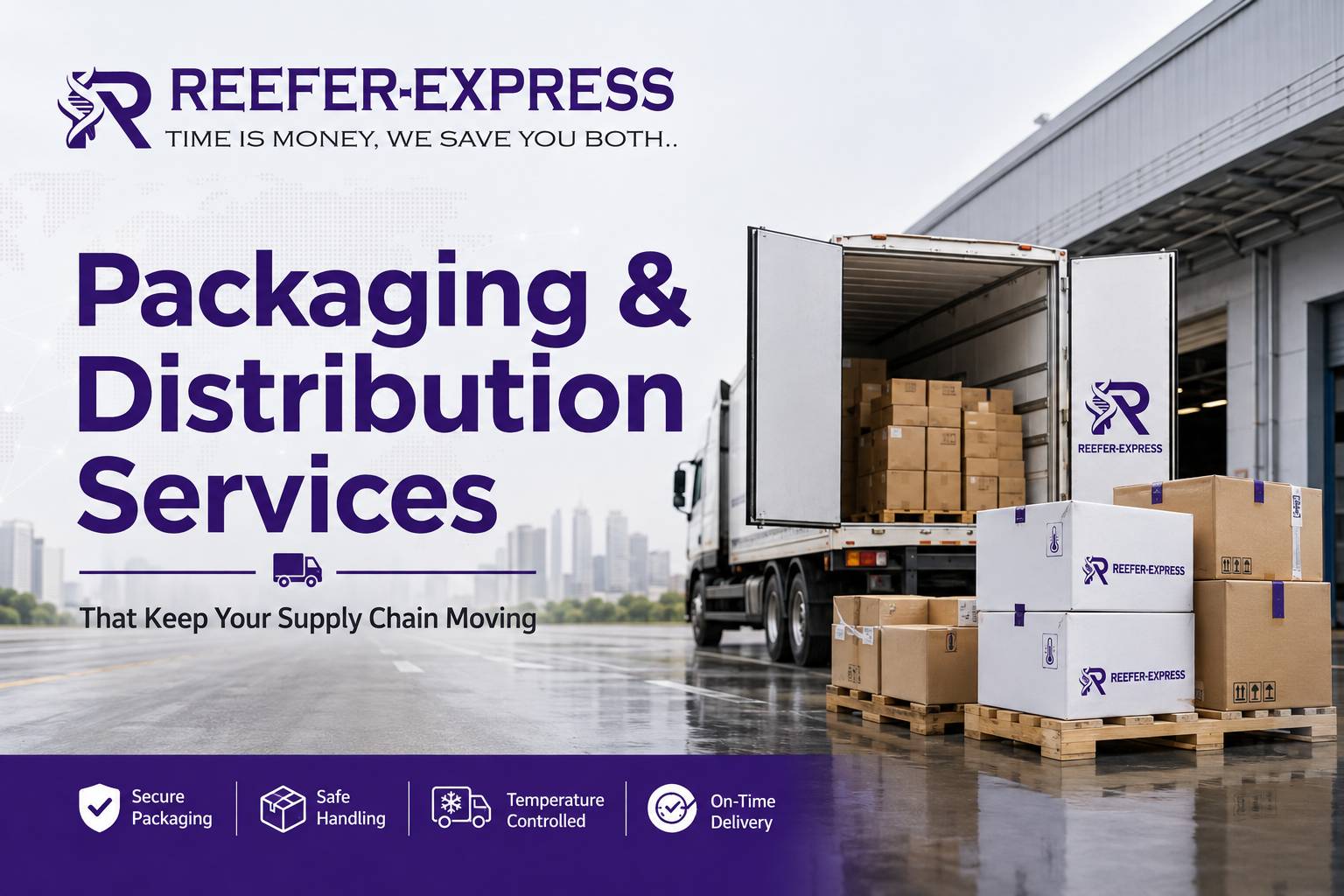
Packaging protects the product and influences freight cost through weight and cube. For sensitive goods, validated packaging that holds temperature for a defined duration is not optional. If you ship biologics, vaccines or fresh produce, look at providers that run packaging and distribution services designed around the shipping lane and the product’s tolerance, not a generic box.
Visibility and Technology
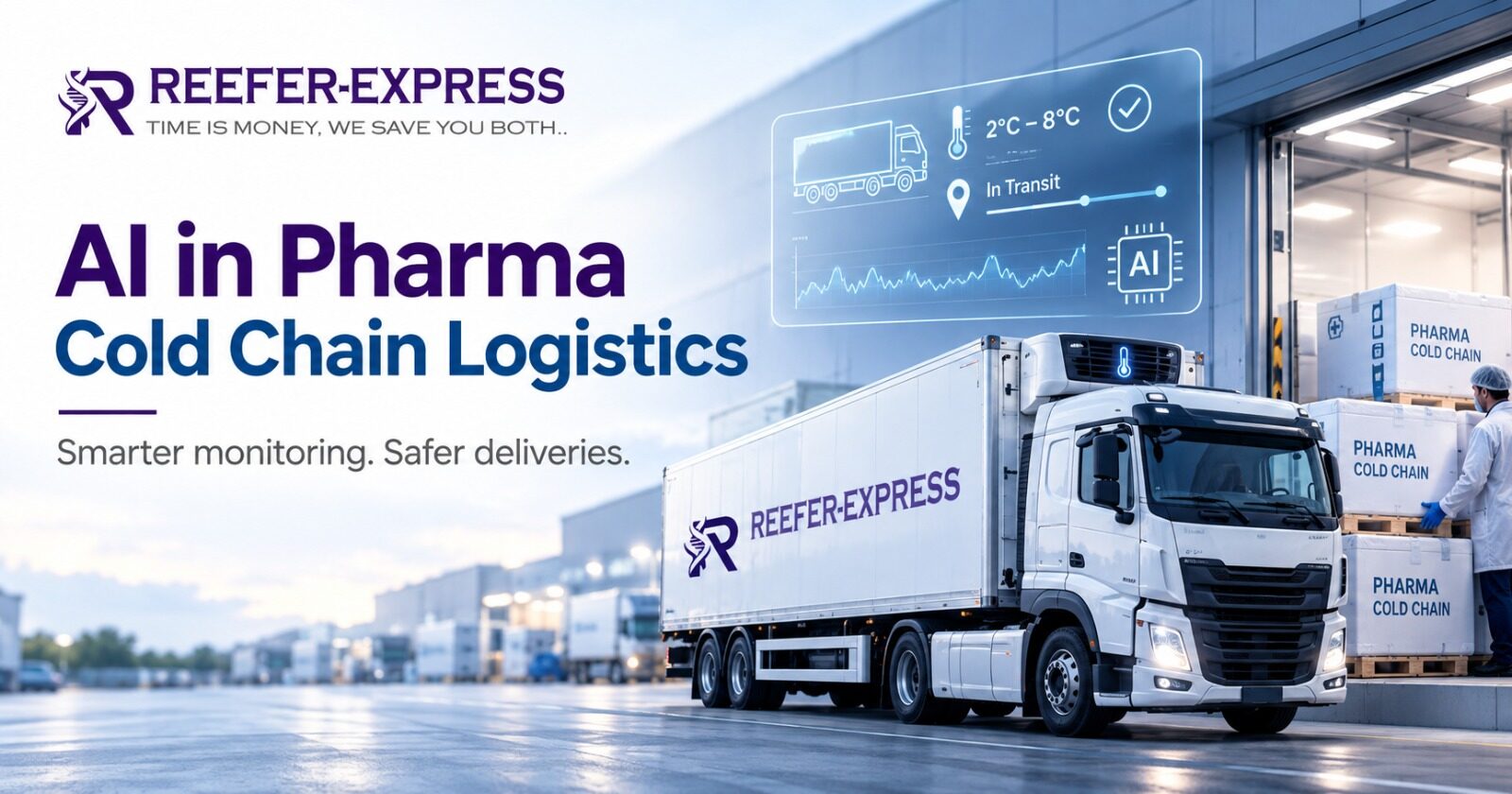
Real-time vehicle tracking, GPS monitoring, electronic proof of delivery and shipment-level data loggers are now baseline expectations. The question is whether the data reaches you in a usable form and whether someone acts on exceptions before you have to call.
Compliance and Documentation
E-way bills, GST invoicing, transport permits and, for regulated goods, licences and storage conditions all form part of the service. A good partner handles the paperwork correctly and tells you early when something is wrong.
Where Standard Logistics Is Not Enough: Temperature-Controlled Supply Chains
General freight tolerates delay and rough handling to a degree. Some categories do not. Vaccines, insulin, biologics, blood products, cell and gene therapies, dairy, frozen foods, seafood and fresh produce all lose value or become unsafe when they leave their temperature range, even briefly.
For these products, logistics and supply chain management becomes a cold chain discipline. Every handover, from manufacturer to warehouse to vehicle to dispensing point, must hold a defined temperature band and record it. The World Health Organization publishes guidance on vaccine storage and transport requirements through its immunization supply chain resources, which show how strict the controls are for products where a single excursion can compromise an entire consignment.
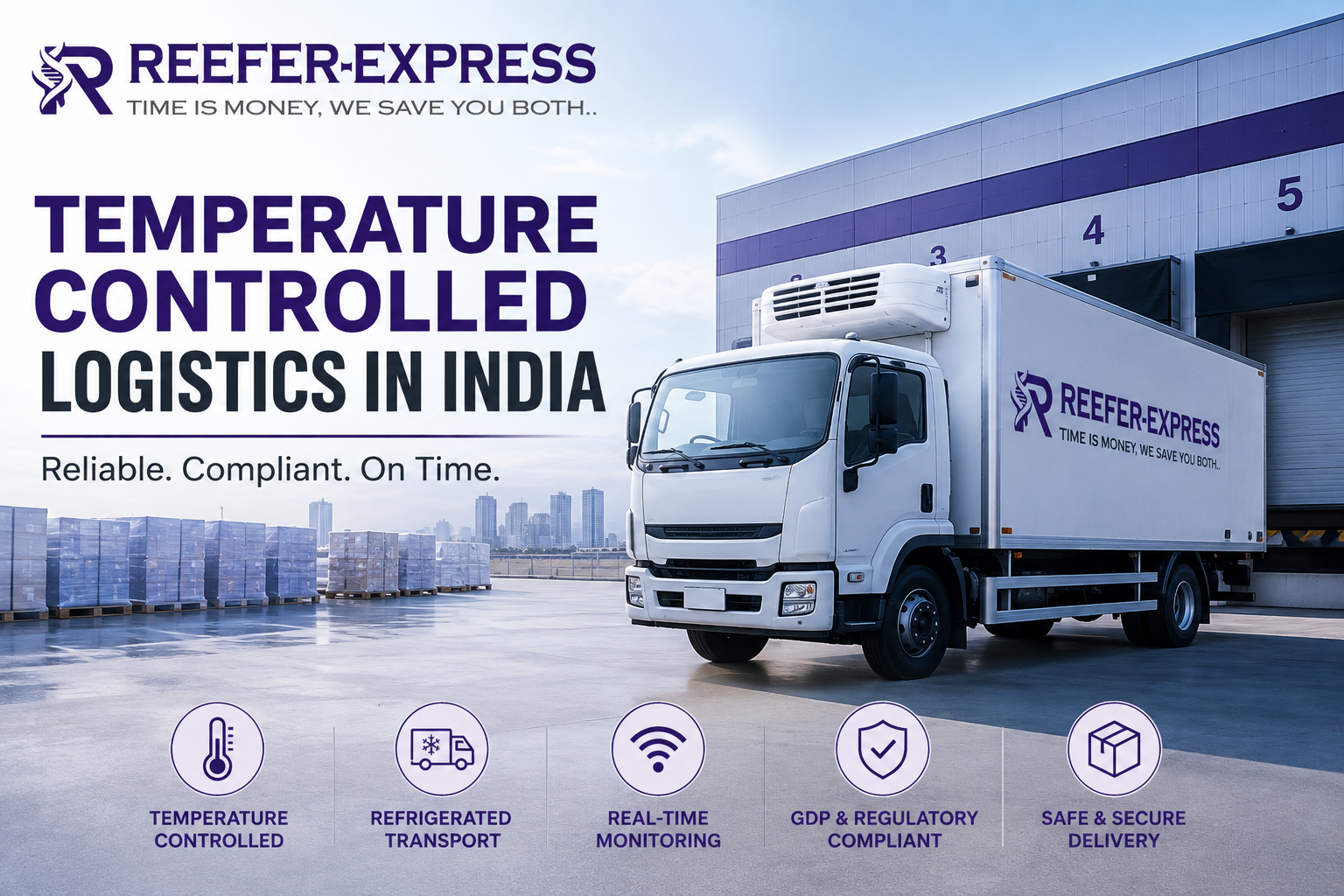
If your products fall in this group, you need a provider whose core business is cold chain logistics, not a general carrier with one refrigerated truck. Look for dedicated reefer vehicles, calibrated sensors, backup power for storage, trained handlers and documented procedures for excursions. Ask whether temperature-controlled logistics is offered as a full service with monitoring, or only as a vehicle rental.
How a Healthcare and Pharma Supply Chain Differs
Pharmaceutical and healthcare shipments carry regulatory weight on top of temperature risk. In India, drug manufacturing, storage and distribution fall under the Central Drugs Standard Control Organisation and state regulators, whose requirements are published at cdsco.gov.in. Auditors expect traceability by batch, documented storage conditions and evidence that the cold chain was unbroken.
That raises the bar for your partner in three ways. They must show temperature records for the entire journey, not only the departure and arrival points. They must run storage that is mapped and monitored around the clock. And they must be able to support your own audits without scrambling for documents.
If you handle medicines, diagnostics, vaccines or clinical materials, review providers that specialise in healthcare logistics and pharma supply chain solutions. Those two service lines exist because a pharma lane carries different risks from a consumer goods lane, and pricing and process should reflect that.
What a Qualified Provider Looks Like in Practice
Claims on a website are easy to write. Capacity is harder to fake. Take Reefer Express as an example of the type of detail you should expect and request from any shortlisted provider. The company operates from Hyderabad and reports 12 warehouses, more than 130,000 pallet positions, a fleet of over 50 vehicles and coverage across more than 100 cities, with over six years in temperature-controlled storage and transport. It also states that each storage unit has a data logger tracking temperature and humidity in real time and that shipments move door to door with single-use packaging and a data logger per shipment.
Notice what makes those statements useful to a buyer. They are countable. You can ask to see the facilities, ask for a sample temperature report, and compare the numbers against your volume. Hold every provider to the same standard. If a vendor cannot give you warehouse counts, vehicle numbers, city coverage and a sample data report on request, treat that as information about how they will behave after you sign.
How to Evaluate and Shortlist Providers
Most failed logistics relationships fail because of a mismatch that was visible before the contract. Use a structured evaluation and you will catch it.
Start With Your Own Requirements
Write down volumes by lane, product temperature range, shipment size, delivery windows, regulatory needs and the reporting you require. Providers can only quote accurately against a defined profile. Vague briefs produce vague quotes, and vague quotes produce disputes.
Test Capability Against Your Product
A provider that handles frozen food well may not meet the documentation standard for biologics. A provider strong in pharma may not have the reach you need for fresh produce from farm clusters. Ask for references in your product category and speak to them directly.
Verify Infrastructure, Not Brochures
Visit a warehouse if you can. Check temperature mapping records, alarm response procedures, power backup, pest control, access control and how stock is separated by batch. Inspect vehicles for refrigeration unit condition and sensor calibration certificates.
Examine the Technology
Ask for a live demonstration of tracking and reporting. See how an alert looks, who receives it and what the response time target is. Ask how long data is retained and whether you can export it for audits.
Review the Commercial Structure
Compare quotes on the same basis. Rate per pallet, per kilometre, per kilogram or per shipment can look cheaper in isolation and cost more once handling, detention, packaging, loggers and documentation are added. Ask for a full cost sheet that lists every charge, including those that apply only in exceptions.
We cover a longer checklist in our guide on how to choose a cold chain logistics company in India, which is worth reading before you send out any request for quotation.
What Drives Logistics Cost and How to Control It
Cost in logistics and supply chain management is the sum of several levers, and you can influence most of them.
Transport cost depends on distance, load factor, vehicle type, fuel, tolls and return load availability. Consolidating shipments, planning dispatch windows and agreeing on regular lanes with a provider usually lowers the per-unit rate more than negotiating on a single trip.
Storage cost depends on pallet positions, dwell time, temperature requirement and handling intensity. Cold storage costs more than ambient because of energy and equipment, so avoid paying for frozen capacity when chilled would do, and review slow-moving stock regularly.
Inventory carrying cost is the silent one. Excess stock ties up working capital, risks expiry and raises storage bills. Better demand data and shorter replenishment cycles cut it directly.
Loss and damage cost appears as write-offs, returns and replacement shipments. Strong packaging, trained handlers and monitored transit reduce it, and the savings often exceed the premium paid for a better provider.
Failure cost is the largest and hardest to see. A rejected pharma consignment, a missed retail slot or a spoiled produce load can wipe out a quarter of margin on a lane. Price your options with this in mind. A slightly higher rate with documented reliability is cheaper than a low rate with unpredictable outcomes.
The Role of Technology in Modern Supply Chains
Technology matters when it changes decisions. Track and trace gives you the location and status of every consignment, so customer service can answer questions without calling the driver. Temperature sensors with alerts let operators intervene before a product is lost. Warehouse management systems improve pick accuracy and stock visibility. Electronic proof of delivery speeds invoicing and reduces disputes.
Integration is the point to examine. If your enterprise resource planning system and the provider’s platform exchange data automatically, you spend less time reconciling and more time planning. Ask what integration options exist, what they cost and how long setup takes.
Building a Supply Chain That Handles Disruption
Monsoon floods, port congestion, fuel price swings, driver shortages and sudden demand spikes are regular events in the Indian market. Resilience comes from preparation rather than reaction.
Maintain more than one route and, where volumes justify it, more than one provider for critical lanes. Keep safety stock at a level that matches the lead time variability of the lane, not a flat percentage. Agree escalation contacts and response times in the contract. Run a periodic review where the provider presents performance data and you present forecasts, so both sides plan from the same numbers.
For temperature-sensitive goods, include contingency in the service level agreement. That means backup vehicles, backup power at storage, defined procedures for a failed refrigeration unit and clear rules about who bears the cost of an excursion.
Contract Terms That Protect You
A contract turns promises into obligations. Before signing, confirm the following in writing.
Service levels should state transit times, on-time delivery rate, temperature compliance rate and reporting frequency, with measurement methods. Liability should state limits, what counts as a temperature excursion and how claims are assessed. Data access should confirm that you own your shipment and temperature records and can export them. Pricing should state validity, fuel adjustment method and what triggers a rate review. Exit terms should explain notice periods and how stock and data transfer if you leave.
If a provider resists putting service levels in writing, you have learned something important before spending money.
A Simple Rollout Plan Once You Choose
Start with a pilot on a limited set of lanes for a defined period, usually four to eight weeks. Agree the metrics in advance, review the data weekly and fix issues before scaling. Move volume in stages, and keep your previous arrangement available until the new lanes meet target. After scale-up, schedule monthly reviews and a formal quarterly business review. This approach protects service to your customers while giving the new partner room to prove themselves.
Signs You Should Change Your Current Setup
Consider a review if you see repeated late deliveries on the same lanes, rising damage or spoilage claims, customers asking for temperature records you cannot produce, freight costs rising faster than volume, or a provider who responds to problems only after you escalate. Any one of these points to a gap in the system, and two or more suggest the partnership no longer fits your business.
Get a Quote for Your Lanes
If your products need controlled temperatures, regulatory traceability or dependable delivery across Indian cities, the fastest way to compare options is to send your lane list, volumes and product specifications to the provider and ask for a written proposal with service levels. Reefer Express serves pharma, healthcare, biotech and food customers with storage, transport, packaging and distribution under one operating model. You can contact the Reefer Express team with your requirements, and you will receive a proposal built around your shipment profile rather than a generic rate card.
Frequently Asked Questions
What is logistics and supply chain management in simple terms?
It is the planning and execution of everything between sourcing a product and delivering it to the customer. Logistics handles movement, storage and delivery. Supply chain management also covers supplier relationships, demand planning, inventory policy and returns.
What is the difference between logistics and supply chain management?
Logistics is one part of the supply chain. It deals with transporting, warehousing and delivering goods. Supply chain management is broader and links procurement, production, inventory, logistics and customer service into a coordinated system.
How do I choose a logistics and supply chain management partner in India?
Define your volumes, lanes, temperature needs and compliance requirements first. Then verify infrastructure through site visits, request sample reports, check references in your product category, compare full cost sheets and insist on written service levels before signing.
Do I need a specialised provider for temperature-sensitive goods?
Yes. Pharmaceuticals, vaccines, biologics and perishable foods need dedicated refrigerated vehicles, monitored storage, trained staff and temperature records for the whole journey. A general carrier usually cannot document this to audit standard.
How is logistics cost calculated?
Providers price by pallet, kilometre, weight or shipment, plus charges for handling, storage, packaging, monitoring and documentation. Always compare quotes on the same basis and ask for every charge to be listed, including exception charges.
What technology should a logistics provider offer?
At minimum, real-time vehicle tracking, GPS monitoring, electronic proof of delivery and, for sensitive goods, data loggers with alerts. A warehouse management system and the ability to integrate with your own software are strong additions.
How long does it take to switch logistics providers?
A pilot usually runs four to eight weeks, and full migration depends on the number of lanes and the complexity of your product. Run the old and new arrangements in parallel until the new lanes meet agreed targets.
Can Reefer Express handle both pharma and food shipments?
Reefer Express provides temperature-controlled storage, transport, packaging and distribution for pharmaceutical, healthcare and food customers. Share your product details and lanes through the contact page to receive a proposal specific to your requirement.