

Transporting pharmaceutical products in bulk requires proper planning, suitable transportation equipment, and continuous temperature monitoring. Unlike regular cargo, pharmaceutical shipments can be sensitive to changes in temperature during loading, transit, unloading, and storage.
For pharmaceutical manufacturers, distributors, wholesalers, and healthcare companies, choosing the right temperature-controlled transportation provider is an important part of the supply chain.
When shipping large quantities of medicines, vaccines, biologics, or other temperature-sensitive products, businesses need to consider transportation capacity, temperature requirements, delivery timelines, shipment monitoring, and handling procedures.
If you are planning a bulk pharmaceutical shipment and looking for a reliable transportation partner, this guide explains how to book temperature-controlled transportation, what information to prepare, and what to check before confirming your shipment.
What Is Temperature-Controlled Transportation for Pharmaceutical Shipments?
Temperature-controlled transportation is the movement of products using specialised vehicles, containers, and packaging systems designed to maintain specified temperature conditions during transit.
Pharmaceutical products may require different storage and transportation conditions depending on their composition, stability, and manufacturer requirements.
For example, certain pharmaceutical products require controlled room temperature, while others may need refrigerated or frozen transportation.
A temperature-controlled logistics provider uses suitable transportation equipment and monitoring systems to help maintain the required conditions throughout the journey.
For bulk pharmaceutical shipments, transportation planning becomes more important because large consignments may involve multiple pallets, loading arrangements, warehouse coordination, and longer delivery routes.
Why Do Bulk Pharmaceutical Shipments Require Specialised Transportation?
Bulk pharmaceutical shipments often contain large quantities of products that must reach their destination within defined quality and handling requirements.
Using regular transportation without appropriate temperature controls can expose pharmaceutical products to unsuitable conditions.
Here are the main reasons specialised transportation is required.
1. Maintaining Required Temperature Conditions
Every pharmaceutical product has specific storage and transportation requirements.
Some products must remain within a defined temperature range throughout the journey. Others may require refrigerated or frozen conditions.
A transportation provider should understand the product’s requirements before assigning a vehicle or packaging solution.
2. Protecting Product Quality During Transit
Temperature variations can affect the stability and quality of certain medicines and biological products.
For bulk shipments, the financial and operational impact of a compromised consignment can be significant.
Suitable vehicles, qualified packaging where required, and temperature monitoring help manage these risks.
3. Managing Large Shipment Volumes
Bulk pharmaceutical transportation may involve multiple pallets, large quantities of cartons, or several consignments moving between manufacturing facilities, warehouses, and distribution centres.
The transportation provider must have sufficient capacity to handle the shipment without creating unnecessary delays or handling issues.
4. Maintaining Shipment Visibility
Pharmaceutical companies need visibility into where their shipments are and whether the required transportation conditions are being maintained.
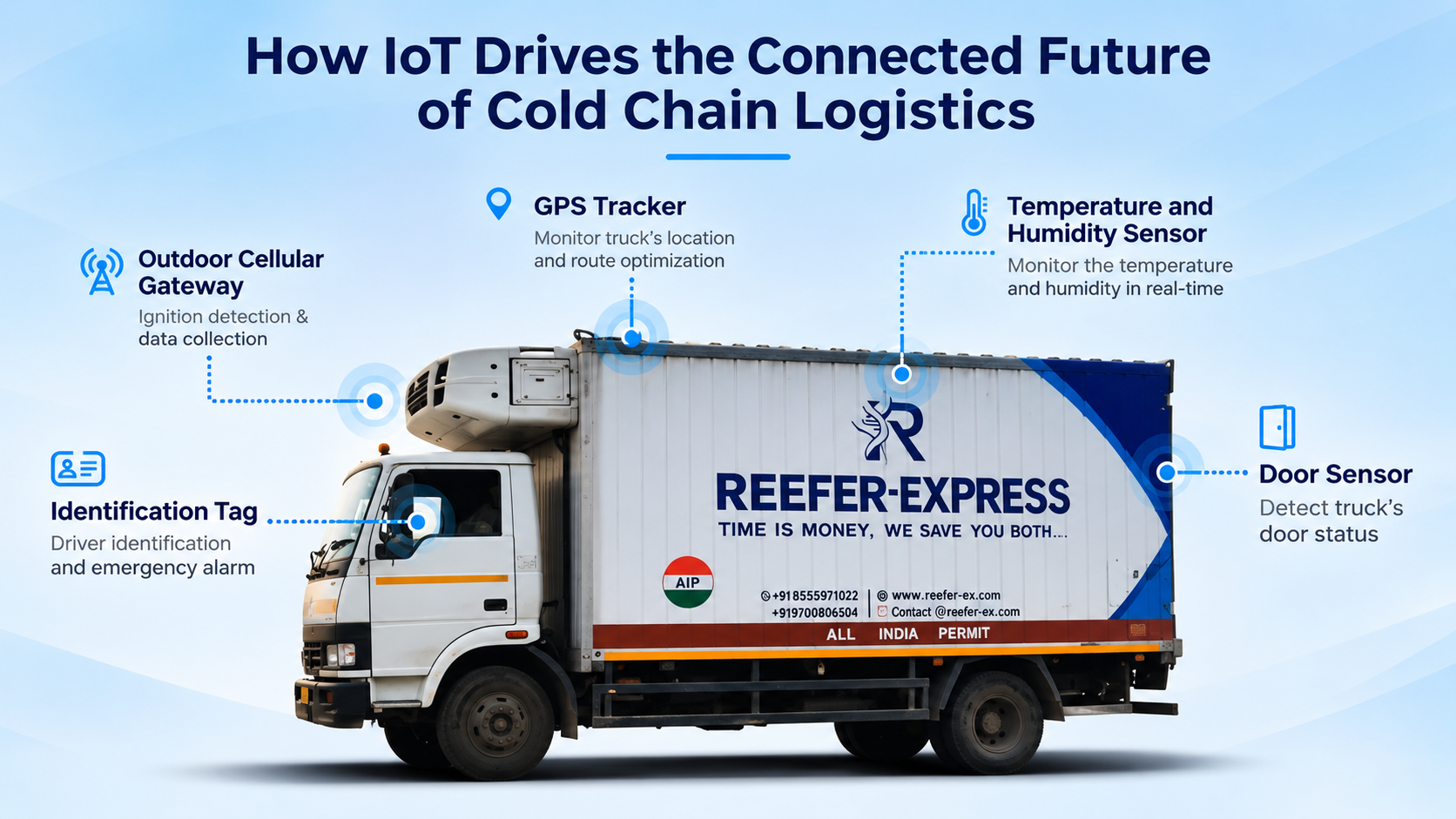
Vehicle tracking, GPS monitoring, and temperature data logging help businesses monitor shipment movement and review transportation conditions.
5. Meeting Handling and Documentation Requirements
Pharmaceutical shipments may require product-specific handling instructions, shipment records, temperature monitoring records, and other documentation.
A properly planned transportation process helps maintain traceability from dispatch to delivery.
How to Book Temperature-Controlled Transportation for Bulk Pharmaceutical Shipments
Booking transportation for bulk pharmaceutical products involves more than requesting a vehicle. Businesses should provide accurate shipment information and confirm that the logistics provider can meet the product’s requirements.
The following steps can help simplify the booking process.
Step 1: Identify the Pharmaceutical Products Being Shipped
Start by identifying the products included in the shipment.
The transportation provider needs to understand what is being transported before recommending a suitable vehicle or packaging arrangement.
Prepare the following information:
- Product name and category
- Quantity of products
- Total shipment weight
- Number of cartons or pallets
- Product dimensions
- Required transportation temperature
- Special handling instructions
- Any restrictions on stacking or loading
For example, a shipment containing temperature-sensitive pharmaceutical products may require different transportation arrangements from a consignment containing products that can be transported under controlled room-temperature conditions.
Providing accurate product information helps the logistics provider plan the shipment correctly.
Step 2: Confirm the Required Temperature Range
Temperature requirements should be confirmed before booking the transportation service.
Do not assume that every pharmaceutical product requires the same temperature conditions.
The required range should come from the manufacturer’s approved product specifications and applicable handling instructions.
Depending on the product, transportation may involve:
- Controlled room temperature
- Refrigerated transportation
- Frozen transportation
- Other specialised temperature conditions
Ask the transportation provider whether the proposed vehicle, container, or packaging system can maintain the required conditions.
You should also confirm how temperature deviations will be identified, recorded, and reported.
Step 3: Calculate the Total Shipment Volume
The total shipment volume determines the transportation capacity required.
For bulk pharmaceutical shipments, calculate the total number of pallets, cartons, and packages before requesting a quotation.
The following details should be shared with the logistics provider:
- Total shipment weight
- Number of pallets
- Dimensions of each pallet
- Total cargo volume
- Loading and unloading requirements
- Expected shipment frequency
For recurring shipments, inform the provider about the expected monthly volume.
This information helps the transportation company recommend an appropriate vehicle and plan fleet availability.
For example, a company shipping pharmaceutical products between two distribution centres every week may require a different transportation arrangement from a business making a one-time bulk shipment.
Step 4: Select the Appropriate Transportation Vehicle
The transportation vehicle must be suitable for the shipment volume and required temperature conditions.
For pharmaceutical cargo, businesses should confirm that the vehicle’s refrigeration equipment, insulation, loading capacity, and temperature monitoring arrangements meet the shipment requirements.
When selecting a vehicle, consider:
Vehicle capacity: Confirm that the vehicle can accommodate the complete shipment without exceeding its permitted payload or creating unsafe loading conditions.
Temperature control: Check whether the refrigeration system can maintain the required temperature under expected transportation conditions.
Temperature monitoring: Ask whether temperature data can be recorded during the journey and shared after delivery.
Vehicle cleanliness: Confirm that the vehicle is clean, suitable for pharmaceutical cargo, and protected against contamination.
Route suitability: Consider the distance, road conditions, transit time, and expected delivery schedule.
For large consignments, discuss whether one vehicle or multiple vehicles will be required.
Step 5: Choose a Suitable Packaging Solution
Transportation equipment alone may not be sufficient for every pharmaceutical shipment.
Some products require additional packaging to maintain the required temperature conditions and protect them during handling.
Depending on the product and route, businesses may consider:
- Insulated shipping containers
- Validated thermal packaging systems
- Refrigerated packaging solutions
- Suitable temperature-control materials
- Single-use packaging systems
The packaging solution should be selected according to the product’s temperature requirements, shipment duration, route conditions, and manufacturer’s instructions.
Before confirming the booking, discuss whether the transportation provider offers packaging support or whether the shipper needs to arrange it separately.
Step 6: Confirm Temperature Monitoring and Shipment Tracking
Temperature monitoring is an important part of pharmaceutical transportation.
Before booking, ask the logistics provider how shipment temperatures will be recorded and how you will receive the information.
Important points to confirm include:
- Whether temperature data loggers are available
- Whether monitoring is continuous or at defined intervals
- Whether GPS vehicle tracking is available
- How temperature deviations are communicated
- Whether shipment monitoring reports are provided
- Who reviews and handles temperature excursions
A data logger records temperature information during transportation. These records can help businesses review whether the shipment remained within its specified conditions.
GPS tracking provides visibility into vehicle movement and estimated delivery progress.
For bulk pharmaceutical shipments, both types of information can help improve transportation visibility and shipment coordination.
Step 7: Request a Transportation Quotation
Once the shipment details are ready, request a quotation from the transportation provider.
A complete quotation should clearly explain the services included and any additional charges.
Share the following information when requesting a quote:
| Information | Details to provide |
|---|---|
| Product category | Medicines, biologics or other pharmaceutical products |
| Pickup location | Complete dispatch address |
| Delivery location | Complete destination address |
| Shipment volume | Weight, pallets and cartons |
| Temperature requirement | Product-specific temperature range |
| Vehicle requirement | Required capacity and vehicle type |
| Delivery timeline | Expected pickup and delivery dates |
| Shipment frequency | One-time or recurring transportation |
| Packaging | Required packaging arrangement |
| Monitoring | Temperature logging and GPS tracking requirements |
Compare quotations based on the complete service offering rather than choosing a provider only because it offers the lowest price.
Check whether the quotation includes vehicle charges, packaging, monitoring, loading, unloading, waiting time, and other applicable services.
Step 8: Confirm Documentation and Shipment Instructions
Before dispatch, make sure the required documentation is ready.
Depending on the product and shipment arrangement, documentation may include:
- Commercial invoice
- Packing list
- E-way bill, where applicable
- Transport documentation
- Product handling instructions
- Required temperature specifications
- Shipment identification details
- Relevant permits or regulatory documents, where applicable
For pharmaceutical shipments, confirm whether any additional documentation is required by the manufacturer, consignee, or applicable regulations.
The shipper should also communicate special handling instructions to the transportation provider before the vehicle arrives.
Step 9: Confirm the Booking and Dispatch Schedule
Once the quotation, transportation arrangement, and documentation are approved, confirm the booking.
The booking confirmation should include:
- Pickup date and time
- Delivery location
- Assigned vehicle details
- Shipment quantity
- Required temperature conditions
- Monitoring arrangements
- Contact details for coordination
- Expected delivery timeline
Coordinate with the warehouse team to ensure that the products are ready before vehicle arrival.
The loading area, packaging, shipment documentation, and dispatch personnel should also be prepared.
For large shipments, a clear loading schedule can help reduce waiting time and prevent unnecessary delays.
Step 10: Monitor the Shipment Until Delivery
Shipment monitoring should continue throughout the transportation process.
Businesses should receive relevant tracking information and temperature records according to the agreed monitoring arrangement.
During transit, the logistics provider should have a defined process for communicating delays, unexpected route changes, and temperature deviations.
At the destination, the receiving team should check the shipment condition and review the available temperature records.
If a temperature excursion occurs, the affected products should be handled according to the manufacturer’s approved procedures. They should not automatically be released for use or distribution without the required quality assessment.
What Factors Affect the Cost of Bulk Pharmaceutical Transportation?
The cost of temperature-controlled pharmaceutical transportation depends on several factors.
There is no single price that applies to every shipment because transportation requirements vary by product, distance, volume, and service level.
1. Shipment Weight and Volume
Larger shipments require more transportation capacity.
The number of pallets, cargo dimensions, total weight, and loading requirements can influence the vehicle selected and the overall transportation cost.
2. Transportation Distance
Long-distance shipments generally involve higher transportation costs because of fuel, driver requirements, transit duration, and operational expenses.
Route accessibility and road conditions may also affect pricing.
3. Required Temperature Conditions
Different temperature requirements may need different vehicles, refrigeration systems, or packaging arrangements.
Specialised temperature requirements can therefore influence the overall cost.
4. Vehicle Type and Capacity
A larger refrigerated vehicle may be required for bulk shipments.
The vehicle’s capacity, refrigeration specifications, and availability can affect the quotation.
5. Packaging Requirements
Some pharmaceutical products require additional insulated packaging or specialised temperature-controlled packaging systems.
These requirements should be discussed before finalising the transportation cost.
6. Temperature Monitoring and Tracking
Temperature data logging, GPS tracking, monitoring reports, and other shipment visibility services may form part of the transportation quotation.
Confirm which monitoring services are included and whether additional charges apply.
7. Delivery Schedule
Urgent deliveries, restricted delivery windows, waiting time, and special handling arrangements may influence the total cost.
For businesses with recurring transportation requirements, discussing a planned schedule with the provider may help improve capacity planning.
What Should You Check Before Hiring a Pharmaceutical Transportation Provider?
Selecting the right transportation partner is an important decision when moving pharmaceutical products in bulk.
Before signing a transportation agreement, evaluate the provider across the following areas.
Experience in Pharmaceutical Transportation
Ask whether the company has experience handling pharmaceutical and other temperature-sensitive products.
Understand the types of shipments it has handled and whether its transportation arrangements match your product requirements.
Temperature-Controlled Fleet
Check whether the company has access to suitable refrigerated vehicles and temperature-controlled containers.
Confirm vehicle capacity, refrigeration capabilities, maintenance procedures, and availability.
Temperature Monitoring Systems
Ask how the company records and shares temperature information.
A suitable monitoring arrangement should provide traceable records and a clear process for reporting temperature deviations.
GPS Tracking and Shipment Visibility
GPS monitoring helps businesses track the location and movement of vehicles during transportation.
Ask whether tracking information is available to customers and how shipment delays are communicated.
Documentation and Handling Procedures
The provider should understand the documentation and handling requirements associated with pharmaceutical shipments.
Ask how dispatch records, temperature reports, and delivery confirmation are maintained.
Service Coverage
Confirm whether the provider can support your pickup and delivery locations.
For businesses distributing products across multiple cities, transportation coverage and fleet availability are important considerations.
Pricing and Service Agreement
Review the complete quotation and service agreement before booking.
Understand the payment terms, additional charges, delivery commitments, monitoring services, and responsibilities of both parties.
Common Mistakes to Avoid When Booking Bulk Pharmaceutical Transportation
Businesses can face unnecessary transportation problems when important shipment details are not confirmed before dispatch.
Here are some mistakes to avoid.
Booking without confirming temperature requirements
The transportation provider must know the required temperature conditions before assigning a vehicle or packaging system.
Providing incorrect shipment dimensions
Incorrect weight or volume information can lead to vehicle capacity issues and dispatch delays.
Choosing a provider based only on price
A low quotation does not necessarily mean the service meets the shipment’s temperature, monitoring, and handling requirements.
Not confirming monitoring arrangements
Businesses should understand how temperature information is recorded, accessed, and reviewed during transportation.
Ignoring loading and unloading arrangements
Large shipments require proper coordination between dispatch and receiving teams. Delays at either location can affect transportation schedules.
Not preparing shipment documentation
Missing documents can delay dispatch, transit, or delivery. Confirm documentation requirements before the scheduled pickup.
Failing to define temperature excursion procedures
The transportation provider and shipper should understand how temperature deviations will be reported and escalated.
Why Choose Reefer Express for Temperature-Controlled Transportation?
Reefer Express provides temperature-controlled logistics solutions for pharmaceutical and other temperature-sensitive supply chains across India.
The company combines refrigerated transportation, cold chain storage, GPS monitoring, and shipment tracking to support businesses that require controlled transportation conditions.
For companies planning bulk pharmaceutical shipments, Reefer Express offers logistics services designed to support storage, transportation, and distribution requirements.
Temperature-Controlled Transportation
Reefer Express provides temperature-controlled transportation using specialised trailers and containers designed to maintain suitable conditions for temperature-sensitive cargo.
The transportation arrangement can be discussed according to the product requirements, shipment volume, and delivery route.
GPS Tracking and Shipment Visibility
Real-time vehicle tracking and GPS monitoring help businesses maintain visibility into shipment movement during transportation.
This supports better coordination between dispatch teams, logistics providers, and receiving facilities.
Temperature Monitoring
Reefer Express uses advanced data loggers to support temperature monitoring.
Temperature monitoring arrangements can help businesses maintain shipment records and review transportation conditions.
Door-to-Door Transportation
Reefer Express offers door-to-door transportation for refrigerated shipments.
This helps businesses coordinate product movement between pickup and delivery locations through a transportation service arrangement.
Cold Chain Storage and Distribution
In addition to transportation, Reefer Express provides cold chain storage and distribution solutions.
Businesses can discuss their storage and transportation requirements together when planning pharmaceutical supply chain operations.
If your company regularly transports bulk pharmaceutical products, discuss your shipment volume, temperature requirements, and delivery locations with the Reefer Express team.
Frequently Asked Questions
1. How do I book temperature-controlled transportation for pharmaceutical products?
Start by identifying the products, required temperature range, shipment weight, number of pallets, pickup location, and delivery destination. Share these details with a specialised transportation provider, request a quotation, confirm the vehicle and monitoring arrangements, and finalise the booking.
2. What information is required to book bulk pharmaceutical transportation?
You generally need the product category, total shipment weight, number of pallets, package dimensions, required temperature range, pickup and delivery addresses, expected delivery date, and special handling instructions.
3. How much does temperature-controlled pharmaceutical transportation cost in India?
The cost depends on shipment volume, transportation distance, vehicle capacity, temperature requirements, packaging, monitoring arrangements, and delivery schedule. Contact the logistics provider with your shipment details to receive an accurate quotation.
4. Which vehicles are used for bulk pharmaceutical transportation?
Refrigerated trucks, temperature-controlled trailers, and specialised containers may be used depending on the shipment’s volume and temperature requirements. The vehicle should be suitable for the specific pharmaceutical products being transported.
5. How is temperature monitored during pharmaceutical transportation?
Temperature monitoring can be performed using data loggers and other suitable monitoring systems. These systems record temperature information during transit, allowing businesses to review the shipment’s temperature history.
6. Can pharmaceutical products be transported across multiple cities in India?
Yes. Pharmaceutical products can be transported between multiple cities using suitable temperature-controlled transportation arrangements. The route, delivery schedule, vehicle capacity, and product temperature requirements should be confirmed before dispatch.
7. What documents are required for bulk pharmaceutical transportation?
Documents may include a commercial invoice, packing list, e-way bill where applicable, transport documents, product handling instructions, and other relevant shipment or regulatory records. Requirements depend on the product and nature of the shipment.
8. Can I book recurring temperature-controlled transportation for pharmaceutical shipments?
Yes. Businesses with regular transportation requirements can discuss recurring shipment schedules, expected monthly volume, vehicle availability, pickup locations, and delivery timelines with the logistics provider.
9. Why is temperature monitoring important for pharmaceutical shipments?
Temperature monitoring provides records of transportation conditions. These records help businesses identify potential temperature deviations and assess whether the shipment remained within its specified handling requirements.
10. How can I request a bulk pharmaceutical transportation quotation from Reefer Express?
You can contact Reefer Express at +91 8555971022 or email contact@Reefer-ex.com. Share your product category, shipment volume, required temperature conditions, pickup location, delivery destination, and expected dispatch date to discuss your transportation requirements.
Book Temperature-Controlled Transportation with Reefer Express
Planning bulk pharmaceutical transportation requires the right combination of vehicle capacity, temperature management, shipment monitoring, and delivery coordination.
Before confirming a booking, make sure the transportation provider understands your product requirements and can support the shipment volume and delivery schedule.
Reefer Express provides cold chain transportation, storage, and distribution solutions for businesses across India.
If you are planning a bulk pharmaceutical shipment, contact Reefer Express to discuss your transportation requirements and request a service quotation.
Contact Reefer Express
Phone: +91 8555971022
Email: contact@Reefer-ex.com
Website: https://www.reefer-ex.com/