

How Temperature Controlled Logistics Strengthens Pharmaceutical Compliance
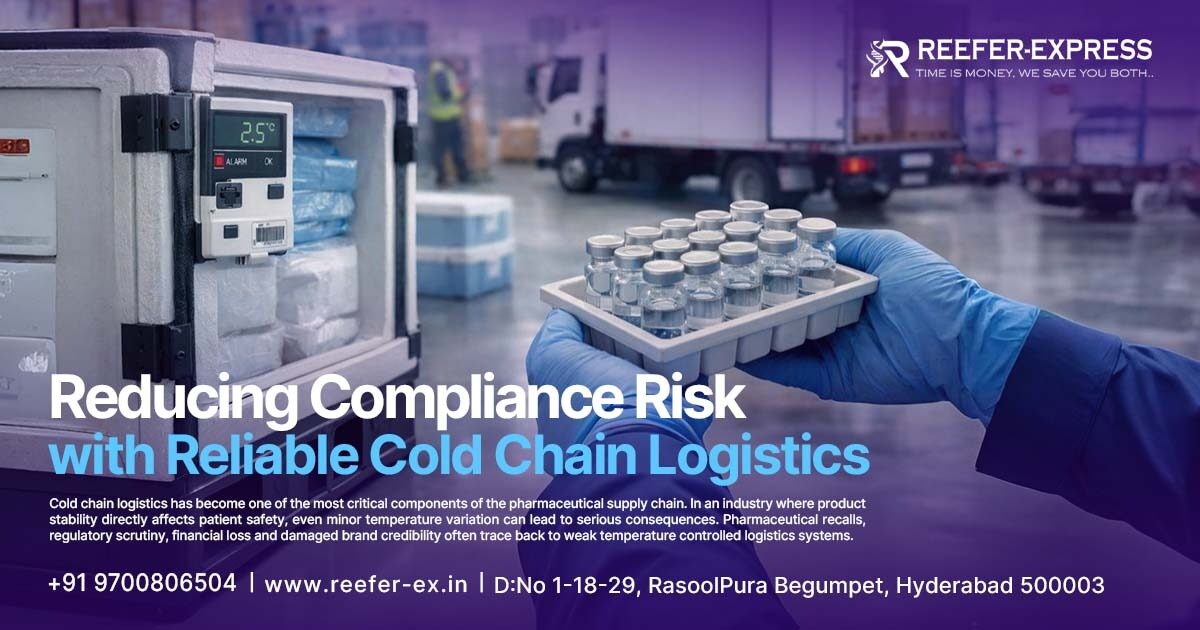
Cold chain logistics has become one of the most critical components of the pharmaceutical supply chain. In an industry where product stability directly affects patient safety, even minor temperature variation can lead to serious consequences. Pharmaceutical recalls, regulatory scrutiny, financial loss and damaged brand credibility often trace back to weak temperature controlled logistics systems. This is why structured cold chain transportation is no longer optional. It is a compliance safeguard.
In India, pharmaceutical logistics operates across diverse climate zones, long interstate routes and high ambient temperatures. Medicines, vaccines, biologics and specialty drugs must move through this environment without losing stability. When temperature controlled transport fails or monitoring gaps exist, compliance risk increases significantly. Road based cold chain logistics plays a central role in reducing that risk.
Understanding Recall Risk in Pharmaceutical Logistics
Pharma recalls rarely happen without warning signs. Most product recalls in the pharmaceutical industry are linked to quality deviations, improper storage or transport related temperature excursions. When temperature sensitive medicines move outside validated ranges such as 2 to 8 degrees Celsius or controlled room temperature conditions, chemical stability can be affected.
Regulatory authorities expect pharmaceutical supply chains to maintain documented temperature control from dispatch to final delivery. If traceability is incomplete or monitoring records are inconsistent, companies may be forced to recall products even when visible damage is not apparent. The financial impact goes beyond replacing stock. It includes investigation costs, distribution disruption, regulatory reporting and loss of customer trust.
Cold chain logistics reduces recall risk by maintaining continuous temperature stability and ensuring verifiable documentation during transportation.
The Role of Temperature Controlled Logistics in Compliance
Temperature controlled logistics is not simply about using refrigerated vehicles. It involves calibrated equipment, insulated transport systems, trained personnel and consistent monitoring processes. Pharmaceutical logistics requires structured planning to ensure that products remain within validated temperature bands during the entire journey.
In India, temperature controlled transport must account for traffic congestion, varying road conditions and extreme weather. Without reliable refrigerated transport services, temperature deviation becomes more likely during long haul distribution. Road based cold chain transportation is designed to manage these variables through insulated vehicle bodies, refrigeration systems and route discipline.
When pharmaceutical logistics companies integrate monitoring systems with temperature controlled vehicles, they reduce compliance exposure. Stable temperature during transit means fewer regulatory concerns and stronger audit readiness.
Cold Chain Logistics India and Inter- state Distribution Challenges
India is one of the largest pharmaceutical producers in the world. Medicines manufactured in one region are often distributed across multiple states. This interstate movement increases transportation time and exposure risk. Cold chain logistics India must therefore function with high reliability.
Unlike standard freight movement, cold chain transportation requires constant environmental control. Road based refrigerated transport services ensure that temperature sensitive products move directly from warehouse to distributor or hospital without transfer gaps. Every transfer point in a supply chain increases the possibility of temperature fluctuation. By reducing unnecessary handling and maintaining direct route planning, cold chain logistics reduces this vulnerability.
Interstate pharmaceutical logistics also demands compliance documentation. Proper temperature logs, route records and delivery confirmations support regulatory requirements. Structured road logistics helps companies demonstrate full traceability across long distances.
Financial Impact of Compliance Failure
The cost of a pharmaceutical recall extends far beyond product replacement. Once a recall is initiated, companies face regulatory audits, product returns, legal exposure and damaged distribution relationships. Pharmacies and hospitals may hesitate to work with suppliers who have a history of compliance issues.
Investing in strong cold chain logistics is therefore a preventive strategy. Reliable refrigerated transport services reduce the likelihood of temperature excursions that lead to product rejection. The financial savings from preventing a recall often outweigh the operational cost of structured temperature controlled logistics.Cold chain logistics protects revenue by protecting product integrity.
Pharmaceutical Supply Chain Stability Through Road Cold Chain Transportation
Pharmaceutical supply chain management depends on predictability. Manufacturers rely on distributors. Distributors rely on reliable logistics providers. Hospitals and retailers depend on timely delivery of medicines in safe condition.
Road cold chain transportation supports this stability by offering controlled movement across cities and states. While air transport serves certain urgent segments, refrigerated road transport ensures continuous temperature controlled delivery for regular distribution cycles. This makes it a backbone of pharmaceutical logistics in India.
When temperature controlled logistics systems are aligned with compliance requirements, supply chain confidence increases. Pharmaceutical companies gain assurance that their products will reach end users without temperature abuse or regulatory risk.
Refrigerated Transport Services as a Competitive Advantage
In a competitive pharmaceutical market, operational reliability differentiates companies. A pharma logistics company that invests in structured cold chain transportation demonstrates commitment to quality and compliance. Hospitals and distributors prefer partners who can provide documented temperature control and transparent transit records.
Refrigerated transport services equipped with calibrated systems and trained teams reduce uncertainty. Cold chain logistics is not simply about preserving product quality. It strengthens brand credibility and builds long term distribution relationships.
As pharmaceutical distribution volumes grow across India, the demand for reliable cold chain logistics continues to rise. Companies that prioritize temperature controlled transport are better positioned to scale operations without increasing compliance risk.
Strengthening GDP Compliance Through Structured Cold Chain Logistics
Good Distribution Practice guidelines emphasize proper storage, transportation and monitoring of pharmaceutical products. Compliance with these standards protects patient safety and maintains regulatory approval.
Cold chain logistics aligned with GDP compliance integrates documentation, temperature validation and operational discipline into daily transport activity. Road based temperature controlled logistics plays a vital role in meeting these expectations across regional and interstate distribution networks.
When pharmaceutical logistics systems are structured around compliance rather than reactive correction, recall risk decreases significantly. Prevention through process discipline becomes the foundation of supply chain reliability.
Conclusion
Cold chain logistics is more than a transport solution. It is a compliance shield for the pharmaceutical supply chain. By maintaining stable temperature conditions, ensuring traceability and reducing transit vulnerabilities, road based temperature controlled logistics helps prevent pharma recalls and regulatory failures.
In India’s expanding pharmaceutical market, reliable refrigerated transport services form the backbone of safe distribution. Companies that invest in structured cold chain transportation reduce financial risk, protect patient safety and strengthen operational credibility.
Cold chain logistics is not just about keeping products cool. It is about keeping businesses compliant, competitive and trusted.
Frequently Asked Questions
What is cold chain logistics in pharmaceutical distribution?
Cold chain logistics refers to the transportation and storage of temperature-sensitive medicines using temperature controlled logistics systems. In pharmaceutical distribution, this includes refrigerated transport services, insulated vehicles, monitoring systems, and documented handling processes that maintain required temperature ranges throughout transit.
How does cold chain logistics prevent pharma recalls?
Cold chain logistics prevents pharma recalls by maintaining consistent temperature conditions and providing traceable monitoring records during transportation. When pharmaceutical logistics systems ensure validated temperature control, the risk of product degradation and compliance failure is significantly reduced, minimizing recall exposure.
Why is temperature controlled transport important in India?
India experiences high ambient temperatures and long interstate transportation routes. Without structured temperature controlled transport, medicines can be exposed to heat stress during transit. Cold chain transportation in India ensures pharmaceutical supply chain stability across diverse climate zones.
What causes temperature deviation in pharmaceutical logistics?
Temperature deviation in pharmaceutical logistics is often caused by equipment failure, improper loading, long transit duration, traffic delays, or lack of monitoring. Reliable refrigerated transport services reduce these risks through calibrated systems and route discipline.
How do refrigerated transport services support GDP compliance?
Refrigerated transport services support GDP compliance by maintaining documented temperature control, proper handling procedures, and traceability throughout distribution. Structured cold chain logistics helps pharmaceutical companies demonstrate audit readiness and regulatory compliance.
When should a pharma company choose dedicated cold chain transportation?
A pharma company should choose dedicated cold chain transportation when distributing temperature-sensitive products such as vaccines, biologics, insulin, and specialty drugs. Structured road based cold chain logistics reduces compliance risk and protects product integrity during long distance movement.