

Choosing the right cold chain logistics partner is important for businesses that handle pharmaceutical products, vaccines, biologics, food items and other temperature-sensitive goods. These products require controlled storage conditions, reliable transportation and proper handling throughout the supply chain. Even a small failure in temperature management or delivery coordination can result in damaged inventory, delayed shipments and financial losses.
Many businesses continue working with the same logistics provider even when service quality starts declining. They may experience repeated delivery delays, poor communication, inconsistent temperature records or limited storage capacity. Over time, these problems can affect product quality, customer relationships and overall business operations.
A reliable cold chain logistics partner should do more than transport products from one location to another. The provider should maintain suitable storage conditions, monitor shipments, communicate delivery updates and support changing business requirements.
If your current logistics provider is creating more operational problems than solutions, it may be time to reconsider the partnership.
Here are seven warning signs that indicate your business may need a new cold chain logistics partner.
1. Frequent Temperature Fluctuations During Storage and Transportation
Temperature consistency is one of the most important requirements in cold chain logistics. Pharmaceutical products, vaccines, biologics and perishable goods often have specific temperature requirements that must be maintained throughout storage and transportation.
If your logistics provider frequently reports temperature deviations, fails to maintain consistent conditions or cannot provide reliable temperature records, this is a serious concern.
For example, a pharmaceutical shipment may leave a warehouse under the required temperature conditions but experience fluctuations during transportation. If the issue is not detected and addressed promptly, the shipment may require investigation and a product quality assessment before it can be released for use.
Repeated temperature fluctuations can indicate problems with refrigeration equipment, inadequate monitoring, poor loading procedures or insufficient staff training.
What your business should look for:
- Continuous temperature monitoring during storage and transportation.
- Temperature records for individual shipments.
- Properly maintained refrigeration equipment.
- Data loggers to record temperature conditions.
- A defined process for identifying and reporting temperature deviations.
- Documented procedures for handling temperature excursions.
Your logistics partner should be able to explain how temperature conditions are monitored and what actions are taken when a deviation occurs.
If your existing provider cannot offer adequate temperature visibility, consider working with a specialized cold chain logistics company that provides temperature-controlled storage and transportation.
2. Repeated Delivery Delays and Unreliable Transportation
Timely delivery is essential for businesses handling temperature-sensitive products. Pharmaceutical manufacturers, healthcare distributors and food suppliers often operate according to strict delivery schedules.
Repeated transportation delays can disrupt inventory planning, delay product distribution and affect relationships with customers.
Consider a pharmaceutical distributor that needs to deliver products to multiple hospitals and distribution centres. If the logistics provider regularly misses delivery schedules, the distributor may struggle to maintain stock availability and meet customer commitments.
Delays may occur because of poor route planning, limited refrigerated vehicle availability, vehicle breakdowns, inefficient dispatch operations or a lack of coordination between warehouse and transportation teams.
Occasional delays can happen due to unexpected circumstances. However, frequent delays without proper communication or corrective action indicate a service problem.
What your business should look for:
- Clearly defined delivery schedules.
- A suitable fleet for temperature-controlled transportation.
- GPS-based vehicle tracking.
- Proactive communication about shipment delays.
- Alternative transportation arrangements when required.
- Regular delivery performance reports.
Before changing providers, review your existing delivery records and identify how frequently shipments arrive late. If delivery failures have become a regular issue, it may be time to evaluate another logistics partner.
3. Poor Shipment Visibility and Lack of Real-Time Updates
Businesses need to know where their shipments are and whether products are being transported under the required conditions.
Without proper shipment visibility, logistics managers may have to depend on phone calls, manual updates and repeated follow-ups to obtain basic information.
This becomes particularly difficult when managing multiple shipments across different cities.
For example, a pharmaceutical company may dispatch several temperature-sensitive shipments from its warehouse to different distribution centres. If the logistics provider cannot provide vehicle location, shipment status or temperature information, the company has limited visibility into its supply chain.
Poor shipment visibility also makes it difficult to investigate delivery delays and identify where problems occurred.
What your business should look for:
- GPS-based vehicle tracking.
- Regular shipment status updates.
- Temperature monitoring during transportation.
- Access to shipment-level records.
- Timely notifications about delays or operational issues.
- Clear communication between the logistics provider and your team.
A logistics partner should provide sufficient information to help your team monitor shipments without constantly contacting the transportation team.
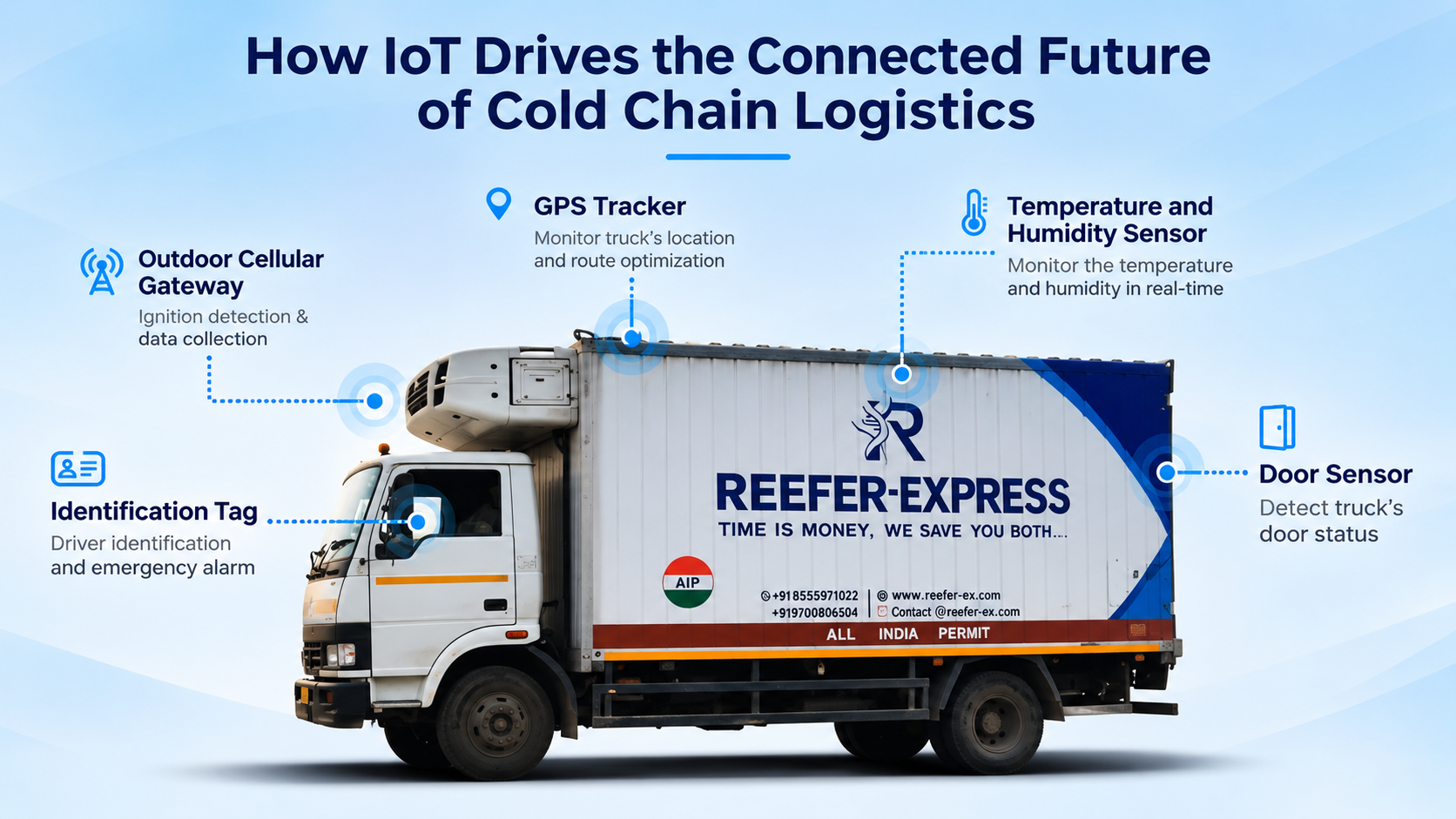
Reefer Express uses real-time vehicle tracking and GPS monitoring as part of its logistics approach, helping businesses gain better visibility into temperature-controlled transportation.
4. Your Current Provider Cannot Handle Increasing Storage or Transportation Requirements
Your logistics requirements may change as your business grows.
A pharmaceutical manufacturer expanding into new markets may need additional cold storage capacity, more transportation vehicles or distribution coverage across multiple cities. A healthcare distributor may also experience sudden increases in shipment volume due to seasonal demand or new customer contracts.
If your existing logistics provider cannot accommodate these changes, your business may face capacity-related problems.
For example, limited warehouse space can delay incoming inventory, while insufficient refrigerated vehicles can affect dispatch schedules. Businesses may then need to coordinate with multiple service providers to manage storage and transportation.
This increases operational complexity and makes supply chain coordination more difficult.
What your business should look for:
- Access to sufficient warehouse capacity.
- Flexible short-term and long-term storage arrangements.
- Availability of temperature-controlled transportation.
- Distribution coverage across required locations.
- Ability to manage changing shipment volumes.
- Coordination between storage, transportation and distribution services.
Before signing a new logistics agreement, evaluate the provider’s available infrastructure and ability to support your expected business requirements.
A logistics partner with access to suitable warehouse facilities and a capable refrigerated fleet can help businesses manage changing supply chain demands more effectively.
5. Poor Communication During Logistics Problems
Unexpected problems can occur during transportation and storage. Refrigeration equipment may malfunction, vehicles may experience breakdowns, routes may change and deliveries may get delayed.
The quality of a logistics provider becomes particularly important when these situations occur.
If your current provider does not inform you about problems on time, avoids responsibility or takes too long to respond to operational queries, your business may struggle to make timely decisions.
For example, if a refrigerated vehicle experiences a breakdown during transportation, your team needs to know about the situation immediately. You may need shipment information, temperature records, an estimated recovery time and details of the corrective action being taken.
Without timely communication, it becomes difficult to assess the shipment’s condition and coordinate the next steps.
What your business should look for:
- A dedicated point of contact.
- Timely updates about shipment status.
- Immediate reporting of critical transportation issues.
- Clear escalation procedures.
- Access to shipment and temperature records.
- Regular communication between operational teams.
A reliable logistics partner should communicate problems before they become larger operational issues. Businesses should not have to chase their provider repeatedly to understand what is happening with their shipments.
6. Rising Logistics Costs Without Better Service Quality
Logistics costs are an important part of supply chain management. However, higher transportation or storage charges should come with a clear explanation of the services being provided.
If your logistics provider keeps increasing prices without improving service quality, it may be time to review the commercial arrangement.
For example, your business may be paying additional charges for refrigerated transportation, warehouse storage, handling or special packaging. Despite these expenses, you may still experience delivery delays, limited shipment visibility and inconsistent communication.
This creates a situation where your logistics costs increase but operational performance remains unchanged.
Simply choosing the cheapest logistics provider is not always the right solution. Temperature-sensitive products require suitable infrastructure, trained personnel and proper monitoring procedures.
The objective should be to find a provider that offers the right balance between service quality, operational reliability and cost.
What your business should evaluate:
- Transportation charges and additional fees.
- Storage costs and billing structure.
- Handling and packaging charges.
- Charges for emergency or special transportation requirements.
- Contract terms and service commitments.
- Overall delivery and service performance.
Request a detailed cost breakdown and compare it with the actual services received. If your existing provider cannot justify recurring cost increases or consistently fails to meet agreed service expectations, consider evaluating alternative providers.
7. Your Provider Cannot Offer Integrated Cold Chain Solutions
Managing storage, transportation, packaging and distribution through multiple service providers can create coordination problems.
For example, a pharmaceutical company may use one vendor for cold storage, another for refrigerated transportation and a third for packaging and distribution.
Each vendor may follow different reporting procedures, communication systems and operational processes. When a shipment moves between providers, maintaining consistent temperature visibility and responsibility becomes more difficult.
If your current logistics provider only handles one part of the supply chain and cannot support your broader requirements, your business may need a more integrated solution.
An integrated cold chain logistics partner can help coordinate different activities under a more connected operational arrangement.
What your business should look for:
- Temperature-controlled storage facilities.
- Refrigerated transportation services.
- Cold chain packaging and distribution support.
- Healthcare and pharmaceutical logistics capabilities.
- Shipment monitoring and tracking.
- Coordination across different supply chain activities.
Working with a provider that offers multiple cold chain services can reduce the effort required to coordinate separate vendors. However, businesses should still evaluate each service individually to ensure that it meets their operational and product-specific requirements.
How to Evaluate a New Cold Chain Logistics Partner
Identifying problems with your existing provider is only the first step. Before switching, businesses should evaluate potential alternatives carefully.
A new logistics partner should be able to meet your current requirements while supporting future business expansion.
Consider the following factors when comparing providers:
| Evaluation factor | What to verify |
|---|---|
| Storage infrastructure | Available warehouse capacity and temperature-controlled facilities |
| Transportation | Refrigerated fleet availability and vehicle suitability |
| Temperature monitoring | Data loggers, monitoring systems and temperature records |
| Shipment visibility | GPS tracking and shipment status updates |
| Geographic coverage | Locations and cities supported |
| Operational support | Communication and escalation procedures |
| Service flexibility | Short-term storage and changing shipment volumes |
| Pricing | Transparent storage, transportation and handling charges |
You should also review the provider’s experience with your specific product category. Pharmaceutical products, vaccines, biologics and food items can have different handling and transportation requirements.
Ask for relevant documentation, service details and operational procedures before finalizing the agreement.
Why Businesses Choose Reefer Express for Cold Chain Logistics
Businesses handling temperature-sensitive products need a logistics partner that understands the importance of controlled storage, reliable transportation and supply chain coordination.
Reefer Express provides integrated cold chain logistics solutions for pharmaceutical, healthcare and other temperature-sensitive supply chains across India.
Its services include cold chain storage, temperature-controlled transportation, packaging and distribution, healthcare logistics, pharmaceutical supply chain solutions, and cell and gene supply chain services.
The company highlights the following infrastructure and operational capabilities:
- 12 warehouses: Storage infrastructure to support different business requirements.
- 130K+ pallet capacity: Storage capacity across its warehouse network.
- 50+ fleet size: Transportation resources for temperature-controlled logistics.
- 100+ cities covered: Distribution reach across multiple Indian cities.
- 24/7 operations: Round-the-clock operational availability.
- GPS and vehicle tracking: Greater visibility into transportation operations.
- Temperature monitoring: Data logger support for monitoring temperature and humidity conditions in storage operations.
Reefer Express also offers flexible storage arrangements, door-to-door transportation and dedicated operational support.
Whether your business needs pharmaceutical storage, refrigerated transportation, healthcare logistics or coordinated cold chain distribution, Reefer Express can help you discuss a suitable logistics arrangement based on your requirements.
Frequently Asked Questions
1. When should a business change its cold chain logistics provider?
A business should consider changing its provider when repeated temperature deviations, delivery delays, poor shipment visibility, inadequate storage capacity or communication problems begin affecting supply chain operations. Consistent failure to meet agreed service requirements is another reason to evaluate alternatives.
2. What should businesses check before hiring a new cold chain logistics partner?
Businesses should evaluate warehouse infrastructure, refrigerated transportation capabilities, temperature monitoring systems, shipment tracking, geographic coverage, service flexibility, pricing and experience with their specific product category.
3. Why is real-time tracking important in cold chain transportation?
Real-time tracking helps businesses monitor vehicle locations and shipment progress. When combined with temperature monitoring, it provides better visibility into transportation conditions and helps logistics teams respond to delays or potential problems.
4. Can one logistics provider manage pharmaceutical storage and transportation?
Yes. Some specialized cold chain logistics providers offer integrated services covering storage, transportation, packaging and distribution. Businesses should verify the provider’s infrastructure and capabilities for each required service before entering an agreement.
5. How can businesses reduce cold chain logistics costs?
Businesses can review transportation routes, optimize shipment volumes, compare storage arrangements, reduce unnecessary handling and work with providers offering suitable integrated logistics services. Cost reduction should not compromise required storage temperatures, product handling or transportation conditions.
6. What is the importance of temperature data loggers in pharmaceutical logistics?
Temperature data loggers record temperature conditions over a period of time. These records help businesses review shipment conditions, investigate temperature deviations and maintain appropriate documentation for product quality assessments.
Conclusion
A cold chain logistics partnership should support your business operations, not create additional challenges. Frequent temperature fluctuations, repeated delivery delays, poor shipment visibility, limited storage capacity and rising costs are all reasons to review your existing logistics arrangement.
Continuing with an underperforming provider can affect inventory quality, delivery commitments and customer relationships. Evaluating alternative providers gives your business an opportunity to improve supply chain coordination and find services that match its current requirements.
Reefer Express offers pharmaceutical cold chain storage, temperature-controlled transportation, packaging and distribution solutions across India.
Looking for a reliable cold chain logistics partner for your business? Contact Reefer Express to discuss your storage and transportation requirements and request a customized logistics solution.
Website: https://www.reefer-ex.com/
Email: contact@Reefer-ex.com
Phone: +91 8555971022