



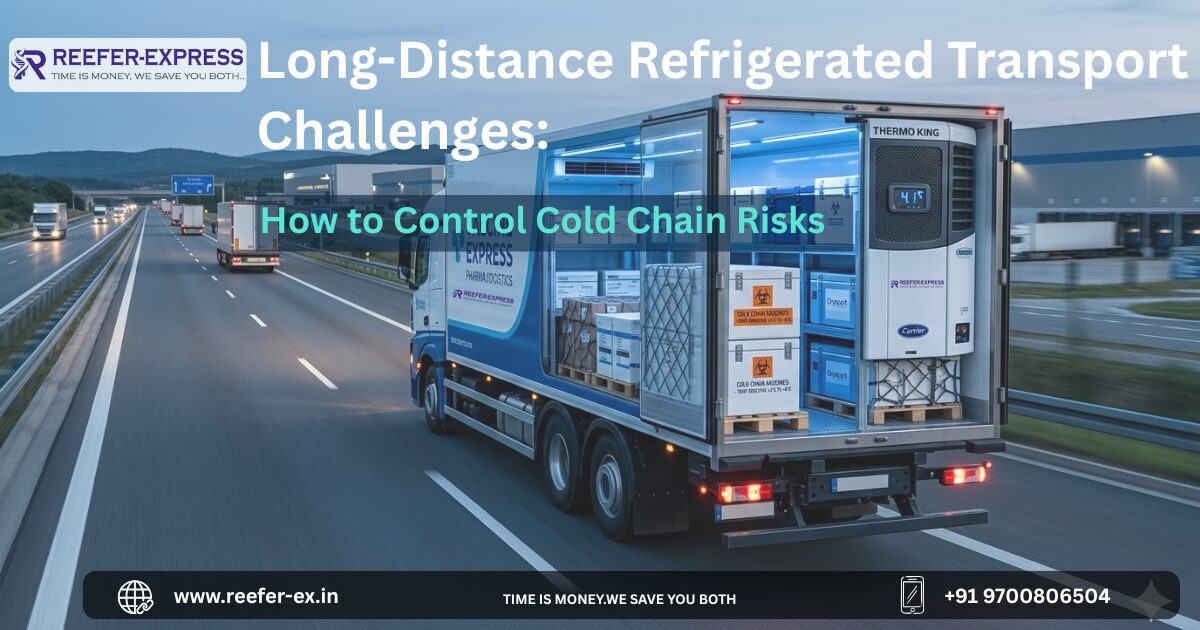
Transporting temperature-sensitive pharmaceutical products across long distances requires a highly controlled logistics environment. Medical supplies such as vaccines, biologics, clinical samples, blood plasma, and specialty medicines depend on refrigerated transport systems to maintain strict temperature ranges during transit. Even minor temperature deviations during transportation can compromise the stability and effectiveness of these products. Long-distance refrigerated transport challenges are a major concern in pharmaceutical logistics. Transporting temperature-sensitive medical products such as vaccines, biologics, clinical samples, blood plasma, and specialty medicines requires a highly controlled logistics environment. These shipments depend on refrigerated transport systems to maintain strict temperature ranges during transit. Even minor temperature deviations during transportation can compromise the stability and effectiveness of these products.
Long-distance transportation introduces several operational challenges, including extended travel times, environmental exposure, and handling procedures. Without proper monitoring and logistics planning, these factors can lead to temperature fluctuations and supply chain risks.
For this reason, healthcare organizations and pharmaceutical companies rely on specialized cold chain logistics providers to manage refrigerated transportation and maintain temperature stability throughout the journey.
Why Long-Distance Refrigerated Transport Is Challenging
Cold chain logistics is designed to maintain controlled temperature conditions from the point of manufacturing to the final delivery location. This process is particularly critical in the pharmaceutical supply chain, where products must remain within precise temperature ranges to maintain their safety and effectiveness.
In long-distance road logistics, refrigerated trucks play a critical role in maintaining stable temperature conditions for pharmaceutical shipments such as vaccines, biologics, laboratory samples, and temperature-sensitive medicines. These vehicles are designed with insulated compartments and refrigeration systems that help maintain consistent environmental conditions during transportation.
However, long travel distances increase the complexity of maintaining these temperature conditions. External temperature changes, mechanical issues, and unexpected delays can affect the stability of the cold chain if proper safeguards are not in place.
Because of these risks, managing long-distance refrigerated transport challenges is essential for pharmaceutical logistics operations.
Temperature Fluctuations During Transit–
Maintaining stable temperature conditions throughout the transportation process is one of the most critical challenges in refrigerated logistics. Refrigerated trucks are designed to maintain specific temperature ranges, but external factors can sometimes influence internal temperature stability. Global health organizations such as the World Health Organization emphasize strict temperature control for vaccine transportation.
Frequent loading and unloading operations may introduce warm air into the refrigerated compartment, causing temporary fluctuations. Similarly, extreme environmental temperatures can increase the pressure on refrigeration systems during long-distance travel.
In pharmaceutical logistics, even minor temperature deviations can affect the integrity of vaccines, biologics, and medical samples. To prevent such risks, modern temperature-controlled transport systems use advanced monitoring technology.
Digital sensors and real-time monitoring devices track the temperature conditions inside refrigerated vehicles throughout the journey. This allows logistics teams to identify deviations early and take corrective action before the cargo is affected.
Equipment Failure in Refrigerated Vehicles
Mechanical reliability is another important factor in maintaining cold chain stability during long-distance transportation. Refrigeration units operate continuously during transit to maintain the required temperature conditions for pharmaceutical shipments.
If refrigeration equipment experiences mechanical failure during transportation, temperature levels may rise quickly inside the cargo compartment. This can lead to temperature excursions that may compromise the stability of vaccines, laboratory samples, and temperature-sensitive medicines.
Regular inspection and preventive maintenance of refrigerated vehicles are essential to prevent such issues. Refrigeration compressors, airflow systems, insulation panels, and power systems must be thoroughly checked before dispatch.
A well-maintained refrigerated fleet significantly reduces the risk of cold chain disruption during long-distance pharmaceutical transport.
Transit Delays and Route Disruptions
Long-distance transportation often encounters operational delays caused by traffic congestion, road restrictions, or environmental conditions. When delays extend transportation time, refrigerated systems must operate for longer durations to maintain the required temperature range.
Extended transit times can increase operational pressure on refrigeration units and expose shipments to environmental temperature changes.
For temperature-sensitive pharmaceutical cargo, maintaining schedule reliability is critical. Efficient route planning and logistics coordination help reduce the impact of such delays.
Modern logistics platforms allow transport teams to monitor vehicle movement in real time and adjust routes when necessary. These systems help ensure faster deliveries and reduce the risk of temperature instability during long-distance refrigerated transport.
Cargo Handling and Pre-Cooling Procedures
Proper cargo handling procedures are essential in pharmaceutical cold chain logistics. Temperature-sensitive medical products must be packaged and loaded carefully to ensure consistent airflow inside the refrigerated vehicle.
Incorrect cargo placement can restrict airflow, resulting in uneven temperature distribution within the container. This may lead to localized temperature deviations that affect sensitive pharmaceutical products.
Pre-cooling shipments before loading is another important step in cold chain management. When vaccines, biologics, or laboratory samples are loaded at the correct temperature, refrigeration systems can maintain stable conditions more efficiently throughout the journey.
Trained logistics personnel and proper loading procedures help maintain temperature stability during transportation.
Monitoring and Visibility in Pharmaceutical Cold Chain Logistics
Technology plays a critical role in managing modern pharmaceutical logistics. Real-time monitoring systems provide continuous visibility into both vehicle location and cargo temperature conditions.
Temperature sensors, GPS tracking systems, and digital monitoring platforms allow logistics teams to track refrigerated shipments throughout their journey. These technologies help identify temperature fluctuations early and ensure that corrective actions can be taken quickly.
Continuous monitoring also supports regulatory compliance in pharmaceutical supply chains, where maintaining temperature records is necessary for quality assurance and safety standards.
How Reefer Express Ensures Reliable Refrigerated Transport
Managing long-distance pharmaceutical transport requires operational expertise, advanced monitoring technology, and reliable refrigerated vehicles.
Reefer Express specializes in temperature-controlled road logistics for pharmaceutical shipments, helping healthcare organizations and pharmaceutical companies transport vaccines, medical supplies, and temperature-sensitive medicines safely across long distances.
By focusing on well-maintained refrigerated fleets, real-time temperature monitoring, and efficient route planning, Reefer Express helps reduce the risks associated with long-distance refrigerated transport challenges.
These operational practices ensure that pharmaceutical shipments maintain the required temperature range and reach their destination safely.
Conclusion
Long-distance refrigerated transport is essential for maintaining the integrity of pharmaceutical supply chains. Vaccines, biologics, laboratory samples, and temperature-sensitive medicines require strict environmental control during transportation.
However, challenges such as temperature fluctuations, equipment failures, transit delays, and improper cargo handling can disrupt cold chain stability if not properly managed.
With advanced monitoring technology, well-maintained refrigerated vehicles, and professional logistics management, these risks can be effectively controlled. Reliable refrigerated transport solutions ensure that critical pharmaceutical shipments reach their destination while maintaining product safety and quality.
FAQs
What is refrigerated transport in pharmaceutical logistics?
Refrigerated transport refers to the use of temperature-controlled vehicles designed to transport pharmaceutical products such as vaccines, biologics, laboratory samples, and medical supplies within a specific temperature range.
Why is temperature control important in pharmaceutical logistics?
Temperature control ensures that pharmaceutical products remain stable and effective during transportation. Even small deviations can affect the potency and safety of medical products.
What challenges affect long-distance refrigerated transport?
Common challenges include temperature fluctuations, refrigeration equipment malfunction, transit delays, and improper cargo handling.
How do logistics companies monitor pharmaceutical shipments?
Logistics companies like Reefer Express use temperature sensors, GPS tracking systems, and real-time monitoring technology to track refrigerated shipments during transportation.

Comments4
If you are looking for a platform that actually pays out on time then this is it. Everything is transparent and fair. Big wins at br333win!
Honestly the best experience I've had in a while. The loading speed is impressive and the game variety is top notch. Highly recommend it to my buddies. Visit phkkkjilicom
The winning streaks here are insane. I tried a few others but this one feels way more rewarding. Just log into mahagacor77login and see for yourself.
The app installation was a breeze and everything runs perfectly on my phone. If you are looking for a stable download, bk666gamedownload is the way to go.